

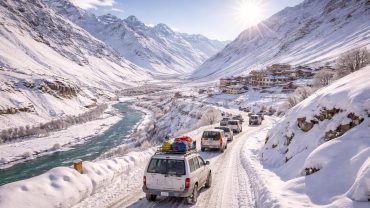
Spiti Valley in winter offers a completely different Himalayan experience, with snow-covered mountains, frozen landscapes, traditional villages and peaceful monasteries. Located in Himachal Pradesh, this high-altitude cold desert attracts travellers looking for remote destinations, photography opportunities and adventurous road journeys.
Planning a Spiti Valley Winter Expedition 2026–27 requires more preparation than a regular mountain holiday. Temperatures can drop well below freezing, some roads may close because of snowfall, and accommodation and transport options can be limited during the coldest months.
This guide by High Sky Holiday covers the winter route, best time to visit, estimated budget, suggested itinerary, packing essentials and safety precautions to help you prepare for your journey.
What Makes Spiti Valley Special in Winter?
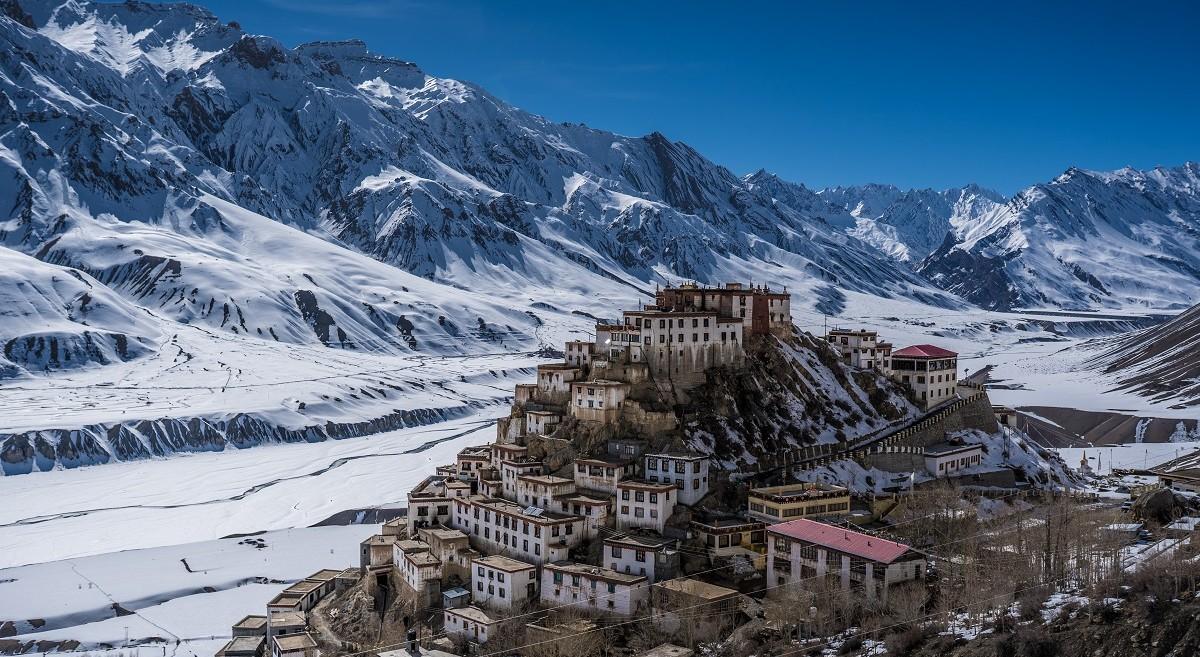
Spiti Valley is known for its dramatic mountains, ancient Buddhist monasteries, remote settlements and distinctive cold-desert landscape. During winter, snow transforms parts of the region into a striking landscape of white slopes, frozen streams and traditional stone-and-mud houses.
Kaza serves as the main town and a useful base for exploring the surrounding region. Nearby villages offer opportunities to experience local life, traditional food and Himalayan culture.
A winter expedition is particularly attractive to travellers who enjoy photography, quiet destinations and challenging mountain journeys. However, it is not a conventional sightseeing holiday. Flexibility, suitable winter clothing and a responsible local travel plan are essential.
Best Places to Visit During a Spiti Valley Winter Trip
1. Kaza
Kaza is the administrative headquarters of Spiti and a practical base for winter travel. Visitors can explore the local market, sample regional food and learn about everyday life in this remote Himalayan settlement.
Use Kaza as your main base where accommodation and local services are available. Check current conditions before arranging excursions to higher villages.
2. Key Monastery
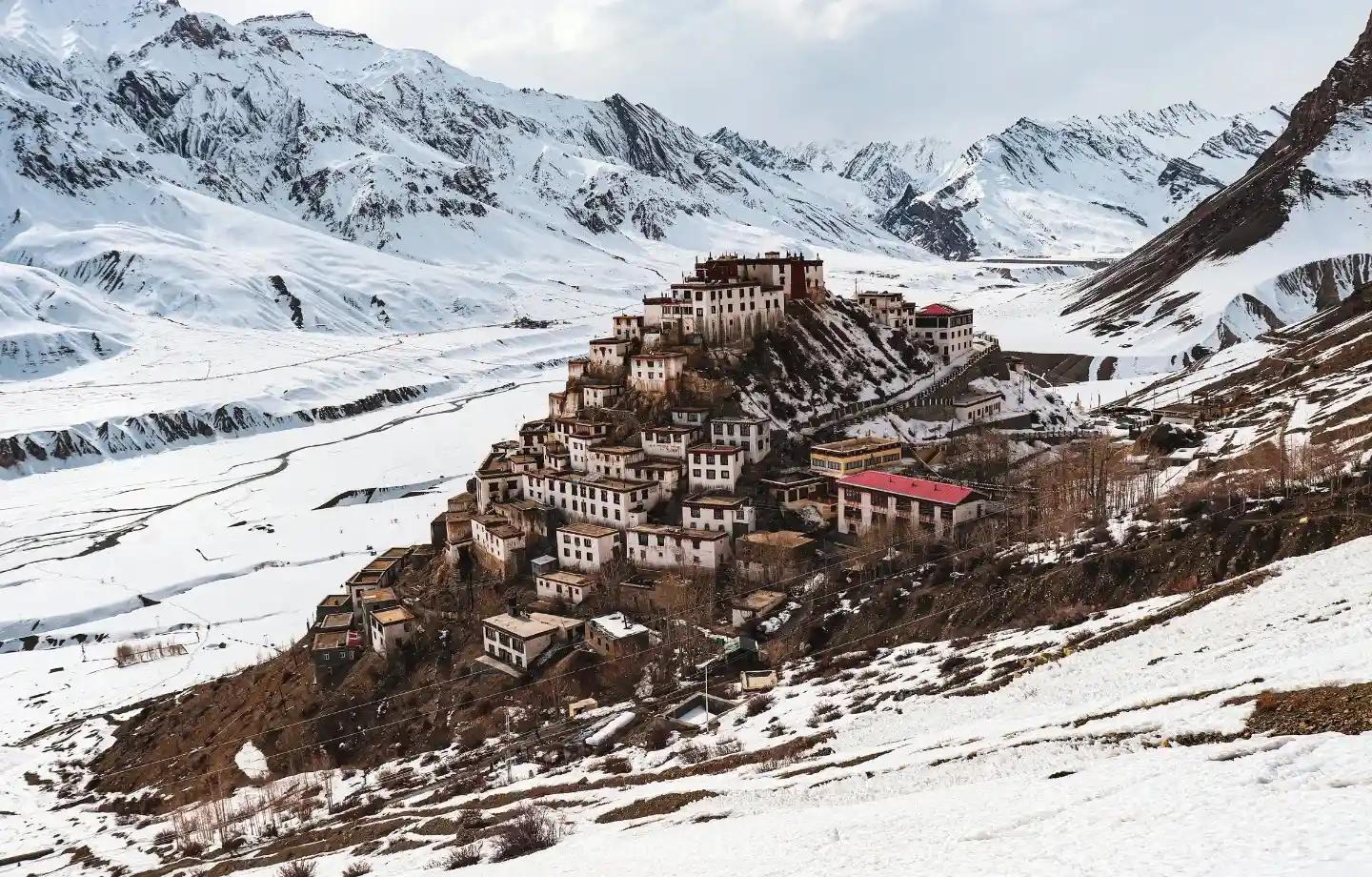
Key Monastery, also known as Ki Monastery, is one of Spiti’s best-known cultural landmarks. Its hillside location provides striking views of the surrounding valley.
Winter visits depend on road access and local conditions. Respect monastery customs, ask before photographing people and check whether the complex is accessible before setting out.
3. Kibber Village
Kibber is a high-altitude village known for its mountain scenery and wildlife habitat. In winter, the surrounding landscape can be especially dramatic.
The village is also associated with snow leopard habitat, although sightings are never guaranteed. Wildlife observation should be conducted respectfully, preferably with experienced local guides.
4. Langza Village
Langza is famous for its large Buddha statue, mountain views and fossil-bearing landscape. The village offers a glimpse into traditional Spitian life.
Heavy snowfall can make access difficult. Confirm local road conditions before including Langza in your itinerary.
5. Hikkim and Komic
Hikkim and Komic are well-known high-altitude villages often included in Spiti sightseeing routes. Their remote locations and expansive views make them popular with photographers and adventure travellers.
These villages should not be treated as guaranteed winter stops. Access depends on snow accumulation, road clearance and local advice.
6. Tabo Monastery
Tabo is known for its historic Buddhist monastery, founded in 996 CE according to Himachal Tourism. It is an important cultural destination for visitors interested in Himalayan heritage.
Depending on the route and current conditions, Tabo may be included in a winter journey through the Kinnaur side of Spiti.
Best Time to Visit Spiti Valley in Winter 2026–27
The winter season generally extends from November through March, although snowfall and temperatures vary from year to year.
December to February is usually the period travellers consider for the classic snowy Spiti experience. It is also the coldest period, with some locations experiencing temperatures around or below minus 20°C.
- November: Early winter conditions may begin, but snow coverage can be inconsistent.
- December: Cold weather and possible snowfall create a winter atmosphere. Road disruptions are possible.
- January: Often among the coldest months, requiring careful planning and appropriate equipment.
- February: Winter conditions may continue, with access depending on snow and weather.
- March: Conditions begin transitioning toward spring, but snow and road closures can persist.
There is no guarantee of snowfall on a particular travel date. If your priority is winter scenery, choose flexible dates and avoid making plans that depend on a single road or sightseeing stop.
For travellers prioritising easier access and a broader sightseeing itinerary, the warmer months are generally more practical.
How to Reach Spiti Valley in Winter
Spiti is a remote mountain destination connected primarily by road. The route must be selected according to current weather, snow conditions and official road advisories.
Route 1: Shimla – Kinnaur – Tabo – Kaza
The route via Shimla and Kinnaur is commonly used to access Spiti. A typical itinerary may pass through Narkanda, Rampur, Reckong Peo or Kalpa, Nako, Tabo and finally Kaza.
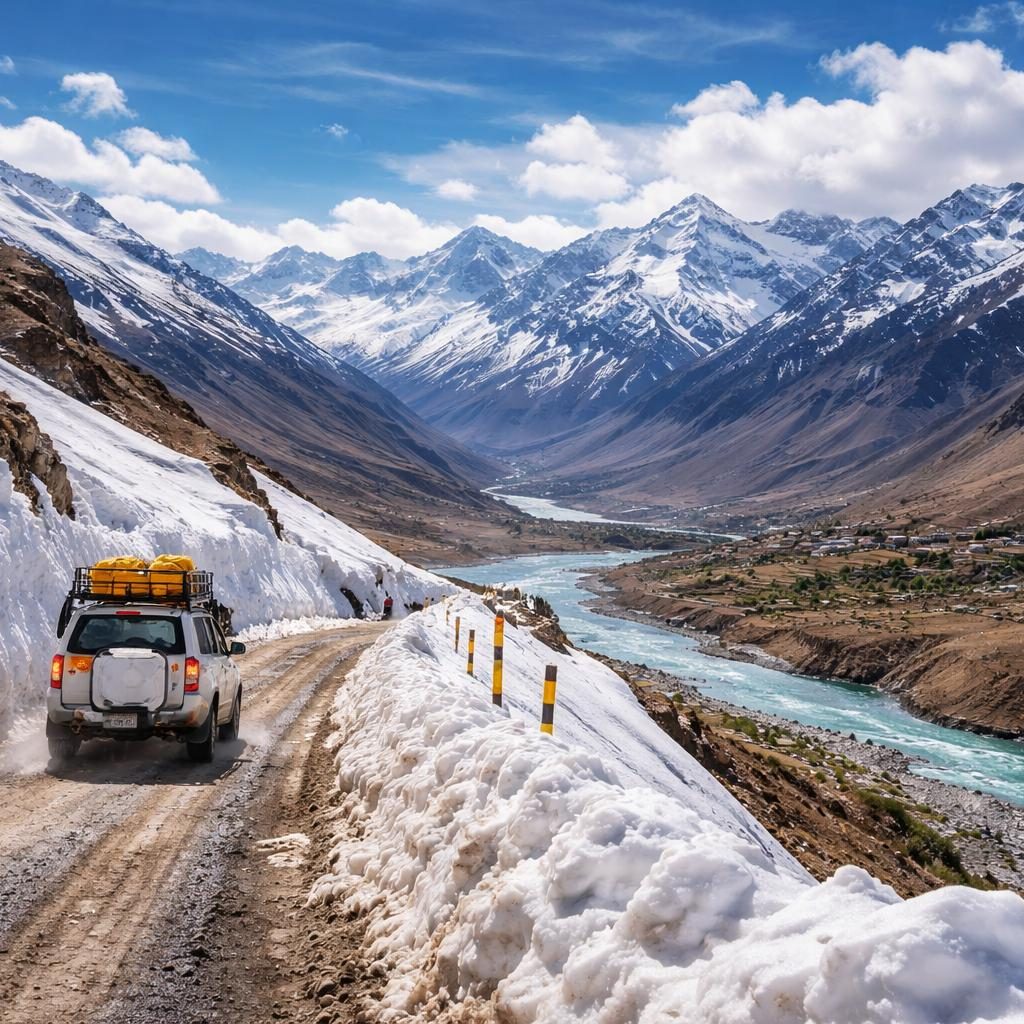
This route is often considered the more practical winter approach because it avoids the high Kunzum Pass. However, it is not guaranteed to remain open in all weather conditions. Snowfall, landslides, ice and road damage can cause delays or closures.
Allow sufficient time for overnight halts and changes to the itinerary.
Route 2: Manali – Atal Tunnel – Lahaul – Kunzum Pass – Kaza
The Manali route through the Atal Tunnel and Lahaul is a popular summer approach to Spiti. However, the section between Keylong and Kaza via Kunzum Pass generally closes during winter because of heavy snowfall.
Do not assume you can travel from Manali to Kaza throughout winter. Check the official district road-status notice before departure and follow instructions from local authorities.
By Air or Train
Bhuntar Airport near Kullu is a nearby airport option, but flight availability and onward road connections need to be checked for your travel dates.
Chandigarh and other regional railheads can be used to begin the road journey. There is no direct railway station in Kaza, so travellers must continue by road.
For the latest route information, consult the District Lahaul and Spiti administration’s official road-status page.
Suggested 8-Day Winter Spiti Itinerary
The following is a sample itinerary for planning purposes, not a guarantee that every road or sightseeing stop will be accessible. Finalise it only after checking the current road status and local accommodation availability.
Day 1: Arrive in Shimla
Reach Shimla, check into your hotel and rest after your journey. Review weather forecasts and road advisories before proceeding toward Kinnaur.
Day 2: Shimla to Kalpa or Reckong Peo
Travel through the Kinnaur region, allowing extra time for winter road conditions. Overnight in accommodation confirmed for your dates.
Day 3: Kinnaur to Tabo
Continue toward Tabo only if the road is open and local authorities consider the journey safe. Otherwise, remain in Kinnaur or adjust the itinerary.
Day 4: Tabo to Kaza
Proceed toward Kaza if conditions permit. After arrival, rest and allow time to acclimatise to the altitude.
Day 5: Explore Kaza
Explore accessible parts of Kaza and learn about local culture. Avoid unnecessary travel if temperatures, snowfall or road conditions deteriorate.
Day 6: Local Village Excursion
Visit a nearby village such as Kibber, Langza or another accessible settlement only after confirmation from local drivers or authorities.
Day 7: Flexible Exploration or Buffer Day
Keep this day flexible for weather delays, a local cultural experience or additional rest. A buffer day is particularly valuable during winter.
Day 8: Begin the Return Journey
Return along the confirmed safe route. Depending on road conditions, you may need additional nights in transit or changes to your departure plans.
Important: An eight-day itinerary may be insufficient if roads close or travel slows significantly. For winter Spiti, flexibility is more important than completing every sightseeing stop.
Spiti Valley Winter Expedition Cost
The cost of a winter Spiti trip depends on the number of travellers, accommodation, vehicle type, departure city, trip duration and road conditions.
The following figures are illustrative planning estimates, not live quotes or confirmed High Sky Holiday package prices.
| Expense | Indicative estimate per person |
|---|---|
| Accommodation for 7 nights | ₹7,000–₹21,000 |
| Food and hot beverages | ₹3,500–₹7,000 |
| Shared road transport | ₹8,000–₹18,000 |
| Local excursions and miscellaneous expenses | ₹2,000–₹5,000 |
| Indicative total | ₹20,500–₹51,000 |
These estimates exclude travel from your home city to the starting point, personal shopping, major emergency expenses and any additional nights caused by road closures. Actual winter transport and accommodation costs can be higher where services are limited.
A private vehicle may increase the overall budget but can provide more flexibility. Shared travel may be economical when a suitable departure and reliable operator are available.
Before booking, confirm what the package includes: accommodation, meals, transfers, local sightseeing, permits where applicable, cancellation terms and contingency arrangements.
Essential Safety Tips for a Winter Spiti Expedition
1. Check Road Conditions Every Day
Mountain roads can become unsafe because of snowfall, black ice, landslides and poor visibility. Check official road-status updates and follow instructions from the district administration and local police.
2. Prepare for Extreme Cold
Carry thermal base layers, insulated winter clothing, waterproof outerwear, warm gloves, a woollen cap, thick socks and winter-appropriate footwear.
Keep spare clothing dry and protect your phone, camera batteries and power bank from extreme cold.
3. Allow Time to Acclimatise
Spiti lies at high altitude. Ascend gradually where possible, avoid strenuous activity immediately after arrival and stay hydrated.
Headache, nausea, dizziness and unusual fatigue may indicate altitude-related illness. Worsening symptoms require prompt medical assessment and may require descent. Severe breathlessness at rest, confusion or difficulty walking normally requires emergency assistance.
4. Use an Experienced Local Driver
Choose a driver and vehicle suited to winter mountain conditions. Confirm that the operator understands the route, carries appropriate emergency equipment and is willing to cancel or change plans when conditions become unsafe.
Do not attempt to cross closed roads or high passes against official advice.
5. Carry Essential Supplies
Pack drinking water, snacks, personal medication, a first-aid kit, a torch, power banks and offline maps. Keep some cash available because digital connectivity and payment services can be unreliable.
6. Keep Emergency Plans Flexible
Mobile connectivity may be limited in remote areas, and medical facilities are not as extensive as in large cities. Share your itinerary with someone at home, identify available medical services and keep emergency funds for unplanned stays.
7. Respect Local Communities
Follow monastery etiquette, ask permission before taking photographs of residents, avoid littering and support local accommodation and businesses. Do not disturb wildlife or enter restricted areas.
What to Pack for Spiti Valley in Winter
Use this checklist before departure:
- Thermal base layers and fleece mid-layers
- Heavy insulated jacket and windproof outerwear
- Waterproof gloves and warm socks
- Snow-resistant boots with good grip
- Sunglasses and high-SPF sunscreen
- Lip balm and moisturiser
- Personal medicines and basic first-aid supplies
- Power bank, charging cables and torch
- Reusable water bottle and high-energy snacks
- Cash, identification and offline travel information
If you are particularly sensitive to cold or have an existing health concern that could affect high-altitude travel, seek medical advice before booking.
Frequently Asked Questions
Is Spiti Valley open in winter?
Parts of Spiti may remain accessible via the Shimla–Kinnaur route, depending on current conditions. The Manali–Kaza route via Kunzum Pass generally closes during winter. Always check official road updates before travelling.
Which month is best for a Spiti winter expedition?
December to February is popular for a snowy winter experience, but it is also very cold. The best month depends on your tolerance for extreme weather and the access available during your dates.
How much does a Spiti winter trip cost?
An illustrative seven-night land-trip budget may range from approximately ₹20,500 to ₹51,000 per person, excluding travel to the starting point. Your final cost depends on accommodation, transport, group size and weather-related changes.
Is Spiti Valley safe for families?
A winter trip requires careful consideration because of extreme cold, high altitude and potential road closures. Families with young children or travellers with relevant health concerns should assess the risks carefully and seek appropriate professional advice where necessary.
Can I travel from Manali to Kaza in December?
You should not plan on using the Manali–Kaza route via Kunzum Pass in December. This section generally closes in winter, and actual access must be confirmed through official advisories.
What kind of vehicle is suitable for winter Spiti?
A suitable, well-maintained vehicle operated by an experienced local driver is essential. Vehicle choice should reflect current road conditions, snow clearance and official restrictions; a four-wheel-drive vehicle does not make a closed road safe.
Do Indian travellers need a permit for Spiti Valley?
Indian citizens generally do not need a general entry permit for Spiti. Foreign nationals may have additional requirements when travelling through sensitive border areas. Check the latest official rules for your nationality and route.
Is snowfall guaranteed during a Spiti winter trip?
No. Snowfall depends on weather patterns and travel dates. Even when snow is present, road access and village conditions can vary significantly.
Plan Your Spiti Winter Expedition with High Sky Holiday
A winter journey to Spiti Valley can be memorable, but successful planning requires realistic schedules, reliable transport, suitable accommodation and close attention to road conditions.
High Sky Holiday helps travellers explore customised domestic and international holidays. If you are considering a Spiti Valley Winter Expedition for 2026–27, discuss your preferred dates, group size, starting city and comfort requirements before finalising your travel plan.
Visit https://highskyholiday.in/ to explore travel options and enquire about a customised itinerary.
Travel responsibly, stay flexible and let safety guide every decision in the mountains.









Comment (0)