

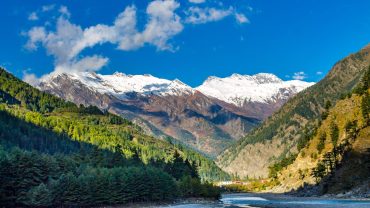
Sangla Valley is one of the most beautiful destinations in Himachal Pradesh, famous for its snow-covered Himalayan peaks, apple orchards, traditional Kinnauri villages and the crystal-clear waters of the Baspa River. Located in the Kinnaur district, this picturesque valley is an excellent destination for travellers looking to explore the peaceful and less-commercialised side of the Himalayas.
Also known as Baspa Valley, Sangla offers a wonderful combination of natural beauty, local culture, ancient temples, mountain adventures and scenic road journeys. From exploring the historic Kamru Fort to visiting the beautiful villages of Rakchham and Chitkul, every part of the valley offers a memorable travel experience.
Whether you are planning a family holiday, honeymoon, photography trip, bike expedition or an offbeat Himachal road trip, this Sangla Valley travel guide will help you discover the best places to visit, things to do, travel routes, accommodation options and the ideal time to plan your journey.


Where Is Sangla Valley Located?
Sangla Valley is located in the Kinnaur district of Himachal Pradesh, in the northwestern Himalayas. It is formed by the Baspa River, which flows through the valley before joining the Sutlej River near Karcham.
Sangla is one of the main settlements in the valley and serves as a convenient base for exploring nearby destinations such as Kamru, Batseri, Rakchham and Chitkul.
The region is known for its traditional Kinnauri architecture, terraced fields, apple orchards, pine forests and spectacular mountain scenery. Its location also makes it an important part of popular Kinnaur road trips.
Quick facts about Sangla Valley
- Location: Kinnaur district, Himachal Pradesh, India
- Popular name: Baspa Valley
- Main village: Sangla
- Famous river: Baspa River
- Approximate elevation of Sangla: 2,700 metres
- Popular attractions: Kamru Fort, Batseri, Rakchham and Chitkul
- Nearest major airport options: Shimla and Chandigarh
- Nearest railway options: Shimla and Chandigarh
- Best time to visit: April to June and September to October, subject to weather and road conditions
The official Himachal Tourism website also describes Sangla as a scenic valley formed by the Baspa River and highlights its traditional villages, Kamru Fort and Chitkul.
Himachal Tourism Official Website+2
Why Is Sangla Valley Famous?
Sangla Valley is famous for its natural beauty, traditional culture and peaceful Himalayan environment. Unlike crowded tourist destinations, it offers travellers an opportunity to experience the authentic character of Kinnaur.
1. Stunning Himalayan Mountain Views
The valley is surrounded by towering mountains, forest-covered slopes and beautiful alpine landscapes. During spring and summer, the surrounding hills become green, while higher mountain peaks often remain snow-covered.
2. Beautiful Apple Orchards
Sangla is one of the well-known apple-growing areas of Kinnaur. The orchards look particularly beautiful during spring, when apple trees blossom, and in autumn, when the fruit is ready for harvesting.
3. Traditional Kinnauri Culture
The valley is home to traditional Kinnauri communities whose culture reflects a unique blend of Hindu and Buddhist influences. Visitors can experience traditional wooden architecture, local festivals, temples, handicrafts and regional cuisine.
4. Baspa River and Riverside Landscapes
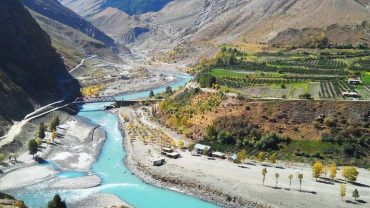
The Baspa River flows through the valley and is one of its most beautiful natural features. Its clear mountain waters, surrounding forests and dramatic landscapes make the area popular among photographers and nature lovers.

5. Gateway to Chitkul
Sangla is an important base for visiting Chitkul, widely described as the last inhabited village on the old Hindustan-Tibet route. The scenic road journey through Rakchham makes this one of the most memorable experiences in Kinnaur.
Top 10 Places to Visit in Sangla Valley
Sangla Valley has several beautiful villages, religious attractions and natural viewpoints. Here are the best places to include in your Kinnaur travel itinerary.
1. Sangla Village – The Heart of Baspa Valley

Sangla Village is the main settlement and one of the most beautiful places in the Baspa Valley. Surrounded by mountains, forests and apple orchards, it offers a wonderful introduction to the culture and landscapes of Kinnaur.
Visitors can explore traditional village lanes, enjoy views of the Baspa River and experience the peaceful mountain lifestyle.
Things to do in Sangla Village:
- Explore traditional Kinnauri houses.
- Walk through the village and nearby orchards.
- Enjoy scenic mountain photography.
- Visit local temples and markets.
- Experience traditional Kinnauri food and hospitality.
2. Chitkul – The Last Inhabited Village on the Old Hindustan-Tibet Route

Chitkul is one of the most famous tourist attractions in Kinnaur and a highlight of any Sangla Valley trip. Located at a higher altitude along the Baspa River, the village is known for its traditional houses, beautiful mountain scenery and peaceful surroundings.
Often called the last inhabited village on the old Hindustan-Tibet route, Chitkul attracts travellers looking for an authentic Himalayan experience.
Things to do in Chitkul:
- Enjoy views of the Baspa River.
- Explore traditional village architecture.
- Visit the Mathi Temple.
- Try local food at village eateries.
- Enjoy photography and short nature walks.
Chitkul is at a significantly higher altitude than Sangla, so travellers should allow time to adjust and avoid rushing their visit.
3. Rakchham Village – A Hidden Gem of Kinnaur

Rakchham is a beautiful mountain village located between Sangla and Chitkul. Surrounded by dense forests, open meadows and snow-covered peaks, it is one of the most scenic settlements in the Baspa Valley.
The village is an excellent stop for travellers who want to enjoy peaceful surroundings and explore the natural beauty of Kinnaur away from crowded tourist areas.
4. Kamru Fort – A Historic Landmark of Kinnaur

Kamru Fort is one of the most important historical attractions in Sangla Valley. Located above Sangla village, this traditional wooden and stone structure was once the seat of power of the rulers of Bushahr.
The fort is famous for its traditional architecture, wooden gates and religious significance. It also offers beautiful views of the surrounding valley.
Visitors should respect the temple customs and follow the instructions of the local authorities or caretakers.
5. Batseri Village – Traditional Kinnauri Architecture

Batseri is a charming village near Sangla, known for its traditional Kinnauri houses, wooden temples and beautiful mountain surroundings.
The village offers an opportunity to understand the traditional architecture and lifestyle of the region. Visitors can also explore local handicrafts and enjoy views of the surrounding orchards.
6. Bering Nag Temple – A Religious Attraction in Sangla

Bering Nag Temple is an important religious site in Sangla, associated with local traditions and the region’s cultural heritage.
The temple is particularly significant during the annual Fulaich festival, also known as the Festival of Flowers, celebrated in different parts of Kinnaur during the late monsoon and autumn period.
It is a wonderful place for travellers interested in local religious traditions and traditional Himachali architecture.
7. Baspa River – The Natural Beauty of Sangla Valley
The Baspa River is the lifeline of Sangla Valley and gives the region its alternative name, Baspa Valley.
The river creates beautiful landscapes as it flows through forests, villages and mountain slopes. Visitors can enjoy riverside photography and peaceful walks from safe, permitted locations.
Always maintain a safe distance from the river, as mountain water currents can be powerful and conditions may change quickly.
8. Sangla Meadows – Beautiful Mountain Views

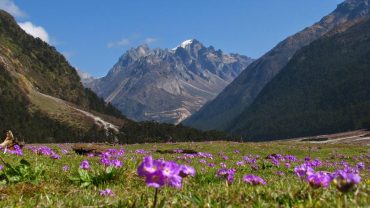
The meadows and open mountain areas around Sangla offer spectacular views of the surrounding Himalayan landscape.
They are ideal for nature lovers, photographers and travellers interested in short hikes. Some routes involve steep climbs, so choose a trail according to your fitness level and seek local guidance.
9. Mathi Temple in Chitkul

Mathi Temple is one of the important religious attractions in Chitkul. Dedicated to the local goddess Mathi, the temple reflects the spiritual traditions and architectural heritage of Kinnaur.
Visitors should respect the temple’s customs, maintain appropriate behaviour and follow local photography restrictions.
10. Apple Orchards of Sangla Valley

Apple orchards are among the most attractive features of Sangla Valley. They cover the surrounding mountain slopes and contribute significantly to the local economy.
During spring, the orchards become beautiful with pink and white blossoms. In autumn, visitors can see the apple harvest and enjoy the colourful landscape.
Always seek permission before entering private orchards or photographing farmers at work.
Best Things to Do in Sangla Valley
Sangla Valley is ideal for travellers who enjoy nature, village experiences and outdoor adventures. Instead of crowded commercial attractions, the region offers opportunities to explore the Himalayas at a relaxed pace.


1. Enjoy a Scenic Road Trip
The drive from Karcham to Sangla is one of the most beautiful stretches of the Kinnaur region. The road follows the Baspa River and passes through dramatic mountain scenery, forests and small settlements.
Continue towards Rakchham and Chitkul for an even more memorable road journey.
2. Explore Traditional Kinnauri Villages
Spend time exploring Sangla, Batseri, Rakchham and Chitkul. Their traditional architecture, temples, orchards and local markets offer a glimpse into the cultural heritage of Kinnaur.
3. Go Trekking and Hiking
The surrounding mountains offer opportunities for short hikes, meadow walks and longer trekking routes. Choose trails according to your experience, fitness and the prevailing weather conditions.
4. Enjoy Photography
Sangla Valley is an excellent destination for landscape photography. The Baspa River, apple orchards, traditional houses and snow-covered mountain peaks provide beautiful photography opportunities throughout the year.
5. Experience Apple Orchard Tourism
Visit local apple-growing areas during the flowering or harvesting seasons. With permission from orchard owners, travellers can learn about apple cultivation and experience an important part of the region’s rural economy.
6. Explore Local Handicrafts
Kinnaur is known for its traditional woollen products, Kinnauri caps, shawls and wooden handicrafts. Exploring local shops is a good way to discover regional craftsmanship and support local artisans.
Best Time to Visit Sangla Valley
The best time to visit Sangla Valley depends on your travel preferences. Spring offers beautiful apple blossoms, summer is suitable for sightseeing and road trips, while autumn is popular for apple harvesting and clear mountain views.


Spring: March to April
The weather can still be cold, especially in the mornings and evenings.
Best for: Apple blossom photography, peaceful sightseeing and nature walks.
Summer: May to June
Summer is one of the most popular seasons to visit Sangla Valley. The weather is generally pleasant for sightseeing, road trips and exploring nearby villages.
Higher areas may still have snow in early summer, depending on the winter snowfall.
Best for: Family holidays, road trips, village exploration and outdoor activities.
Monsoon: July to August
The monsoon brings greenery to the valley, but heavy rainfall can create road disruptions and landslide risks on mountain highways.
Best for: Flexible travellers who can adjust their travel plans according to weather conditions.
Autumn: September to October
Autumn is one of the most attractive seasons in Sangla Valley. Apple orchards enter the harvesting period, the landscape takes on beautiful seasonal colours and the weather is often favourable for sightseeing.
The Fulaich flower festival is an important cultural celebration in Kinnaur, with dates varying by location and year.
Best for: Apple harvest experiences, photography, cultural tourism and scenic road journeys.
Winter: November to February
Winter brings very low temperatures and snowfall to the higher parts of the valley. Some roads and accommodation facilities may become inaccessible or operate with limited services.
Best for: Snow scenery in accessible areas, provided road and weather conditions are suitable.
Travel advice: April to June and September to October are generally convenient periods for visiting Sangla. However, road access can change because of snowfall, landslides and road maintenance. Always check current local updates before departure.
Incredible India+2
How to Reach Sangla Valley
Sangla Valley is mainly accessed by road through the Kinnaur region of Himachal Pradesh. The route from Shimla follows the Hindustan-Tibet Highway towards Karcham, from where a mountain road branches towards Sangla.

By Air
Shimla Airport is one of the nearest airport options, although flight availability is limited and weather-dependent. Chandigarh Airport is another practical option for travellers coming from other parts of India.
From either airport, continue towards Sangla by road.
By Train
There is no railway station in Sangla or elsewhere in the Baspa Valley.
Travellers can reach Kalka and continue towards Shimla on the famous Kalka-Shimla narrow-gauge railway. From Shimla, the journey continues by road through Narkanda, Rampur and Karcham.
Chandigarh is another major railway option for onward road travel.
By Road
Road travel is the most common way to reach Sangla Valley.
Common route from Shimla:
Shimla → Narkanda → Rampur → Karcham → Sangla
At Karcham, take the road towards Sangla, which follows the Baspa River through the mountain valley.
Travellers can use HRTC buses, private taxis or self-drive vehicles. The mountain roads are narrow in places, so drive carefully and allow additional time for the journey.
Approximate Road Distances to Sangla
| Starting point | Approximate distance |
|---|---|
| Shimla | 220–230 km |
| Chandigarh | 320–350 km |
| Karcham | 18 km |
| Reckong Peo | 35–40 km |
| Chitkul | 20–25 km |
Distances are approximate and can vary depending on the route and starting point. Driving time depends on road conditions, traffic and weather.
Suggested 5-Day Sangla Valley Itinerary
A five-day trip allows you to explore Sangla, nearby villages and Chitkul without rushing through the beautiful mountain landscapes.

| Day | Itinerary |
|---|---|
| Day 1 | Arrive in Shimla and travel towards Sarahan or Rampur for an overnight stay |
| Day 2 | Continue towards Sangla via Karcham and explore Sangla village |
| Day 3 | Visit Kamru Fort, Batseri village and nearby apple orchards |
| Day 4 | Explore Rakchham and Chitkul, enjoy the Baspa River scenery |
| Day 5 | Return towards Shimla or continue your Kinnaur journey |
Suggested extension: If you have additional time, include Kalpa and Reckong Peo in your Kinnaur itinerary. A 6–7 day trip gives you more flexibility for sightseeing and mountain travel.
Where to Stay in Sangla Valley?
Sangla Valley offers different accommodation options, including hotels, guesthouses, homestays and riverside properties. Travellers can choose according to their budget and preferred travel experience.


1. Hotels in Sangla
Sangla has hotels and guesthouses suitable for families, couples and group travellers. It is a convenient base for visiting Kamru Fort, Batseri and other nearby attractions.
2. Homestays in Rakchham
Rakchham offers a peaceful village atmosphere and accommodation options for travellers who prefer staying closer to nature.
3. Guesthouses in Chitkul
Chitkul has guesthouses and smaller accommodation properties. Staying overnight gives visitors more time to enjoy the village and its surrounding landscapes.
4. Riverside Stays and Camps
Some properties around the valley offer nature-oriented and riverside stays. Choose established accommodation providers and follow local rules regarding river safety, waste disposal and camping.
Booking tip: Accommodation availability can be limited during peak summer and autumn. Confirm heating, hot water, meals and road access before booking a property.
Famous Food to Try in Sangla Valley
A visit to Sangla Valley is also an opportunity to experience traditional Kinnauri and Himachali cuisine. Local food reflects the region’s climate, agricultural traditions and cultural influences.

Some dishes and local food experiences to try include:
- Siddu: A traditional steamed bread, often served with ghee or chutney.
- Dham: A festive Himachali meal featuring rice, lentils and regional preparations.
- Madra: A traditional dish prepared with chickpeas or other ingredients in a yoghurt-based gravy.
- Chilgoza: Pine nuts associated with the wider Kinnaur region.
- Local apple products: Fresh apples, juices and other seasonal products.
- Trout preparations: Available at selected eateries, subject to local availability and legal sourcing.
Food choices may be limited in smaller villages, so Sangla is a convenient place to plan meals and supplies.
Sangla Valley vs Kalpa: Which Destination Should You Choose?
Sangla and Kalpa are two of the most beautiful destinations in Kinnaur. Although both offer stunning mountain views and traditional village experiences, they have different landscapes and attractions.
| Travel preference | Sangla Valley | Kalpa |
|---|---|---|
| Famous river | Baspa River | Sutlej River region |
| Main attraction | Baspa Valley and Chitkul | Kinner Kailash mountain views |
| Villages | Sangla, Rakchham, Batseri and Chitkul | Kalpa and nearby settlements |
| Famous for | Apple orchards, riverside scenery and traditional villages | Mountain panoramas, temples and orchards |
| Ideal experience | Scenic drives and village exploration | Mountain views and cultural sightseeing |
| Suggested stay | 2–3 nights | 1–2 nights |
Which is better? Choose Sangla if you want to explore the Baspa River, Chitkul and traditional Kinnauri villages. Choose Kalpa if you prefer spectacular views of the Kinner Kailash range and a peaceful mountain stay. Both destinations are excellent additions to a Kinnaur tour.
Important Travel Tips for Sangla Valley
Before planning your trip, keep these practical points in mind:
- Carry warm clothing, even during summer, because mountain temperatures can drop quickly.
- Check road conditions before travelling, especially during the monsoon and winter.
- Avoid driving on unfamiliar mountain roads after dark.
- Carry sufficient cash because digital payment and ATM facilities may be limited.
- Download offline maps before entering remote areas.
- Respect local customs at temples and religious sites.
- Do not enter private apple orchards without permission.
- Maintain a safe distance from the Baspa River.
- Keep sufficient time for road journeys and unexpected delays.
- Carry essential medicines and a basic first-aid kit.
- Dispose of waste responsibly and avoid single-use plastic wherever possible.
- Check current travel and permit requirements for any restricted border areas you plan to visit.
Do You Need a Permit to Visit Sangla Valley?
For the usual tourist route covering Sangla, Rakchham and Chitkul, Indian domestic travellers generally do not require an Inner Line Permit. However, access rules can differ for restricted areas closer to the international border, and requirements for foreign nationals may be different.
Check the latest instructions from the Kinnaur district administration before travelling beyond the regular tourist circuit.
Why Plan Your Sangla Valley Trip with High Sky Holiday?
Planning a Himalayan holiday involves coordinating hotels, transportation, sightseeing and local travel arrangements. This becomes particularly important in remote destinations such as Sangla, Rakchham and Chitkul, where road conditions and accommodation availability can change seasonally.
High Sky Holiday helps travellers plan customised holidays across Himachal Pradesh and other popular destinations in India.
Our travel services include:
- Customised Sangla and Kinnaur tour packages
- Hotel, resort and homestay bookings
- Private taxi and transportation arrangements
- Local sightseeing and travel assistance
- Family, honeymoon and group holiday planning
- Himachal Pradesh and all-India tour packages
Whether you are planning a family holiday, a Kinnaur road trip or an extended Himalayan adventure, our team can help organise your journey according to your travel preferences and budget.
Plan your Sangla Valley holiday with High Sky Holiday.
Website: https://highskyholiday.in/ Call or WhatsApp: +91 62303 20701 Email: info@highskyholiday.in
Affordable Travel, Unforgettable Experiences.
Frequently Asked Questions About Sangla Valley
1. Where is Sangla Valley located?
Sangla Valley is located in the Kinnaur district of Himachal Pradesh. It is formed by the Baspa River and is surrounded by beautiful Himalayan mountains.
2. What is Sangla Valley famous for?
Sangla Valley is famous for its apple orchards, Baspa River, traditional Kinnauri villages, Kamru Fort, Rakchham and Chitkul.
3. Which are the best places to visit in Sangla Valley?
Some of the best places include Sangla village, Chitkul, Rakchham, Kamru Fort, Batseri village, Bering Nag Temple and the Baspa River.
4. What is the best time to visit Sangla Valley?
April to June is popular for pleasant weather and sightseeing, while September to October is ideal for apple harvesting, autumn landscapes and photography.
5. How many days are enough for Sangla Valley?
A 2–3 day stay is suitable for exploring Sangla and Chitkul. A 5-day Kinnaur itinerary allows time for additional destinations and a more relaxed journey.
6. How far is Chitkul from Sangla?
Chitkul is approximately 20–25 km from Sangla by road. The journey passes through the scenic village of Rakchham.
7. Is Sangla Valley suitable for a family trip?
Yes. Sangla Valley offers scenic drives, traditional villages, comfortable accommodation options and sightseeing opportunities for families. Choose activities according to the age and mobility of family members.
8. Is Sangla Valley safe to visit in winter?
Winter travel can be challenging because of snowfall, icy roads and limited accommodation availability. Check local road updates and weather advisories before travelling.
9. What is the difference between Sangla Valley and Baspa Valley?
The terms Sangla Valley and Baspa Valley are commonly used for the same scenic region. The name Baspa Valley comes from the Baspa River that flows through it.
10. Can I visit Sangla and Chitkul in one trip?
Yes. Sangla is a convenient base for visiting Chitkul, and both destinations are commonly included in Kinnaur tour packages.






Comment (0)