

What Is a Digital Detox Holiday?
A digital detox holiday is a trip during which you deliberately reduce your use of smartphones, laptops, social media and other digital devices. Instead of constantly checking notifications, you spend more time enjoying your surroundings, talking with people, exploring nature and participating in activities away from screens.
A digital detox does not necessarily mean travelling somewhere without internet access. You can create a screen-free experience simply by switching off non-essential notifications, setting phone-free hours and choosing activities that encourage you to be present.
For 2027, consider destinations that make it easier to slow down, enjoy outdoor experiences and take a break from your everyday routine.
Why Choose a Digital Detox Holiday in India in 2027?
India offers a remarkable variety of landscapes and travel experiences, making it possible to find a relaxing getaway without travelling abroad.
Here are some reasons to consider a digital detox trip:
- Reconnect with nature: Spend time beside rivers, in forests, among mountains or along quiet beaches.
- Enjoy quality time: Make space for conversations with family, friends or your travel companion.
- Explore new interests: Try hiking, birdwatching, photography, reading, local cooking or traditional crafts.
- Experience slow travel: Spend more time in one destination rather than rushing between attractions.
- Build healthier screen habits: Use your holiday to practise spending parts of the day away from your devices.
A digital detox is not a medical treatment, and its benefits differ from person to person. Think of it as an opportunity to create a more intentional and relaxing travel experience.
10 Best Places for Digital Detox Holidays in India
1. Tirthan Valley, Himachal Pradesh
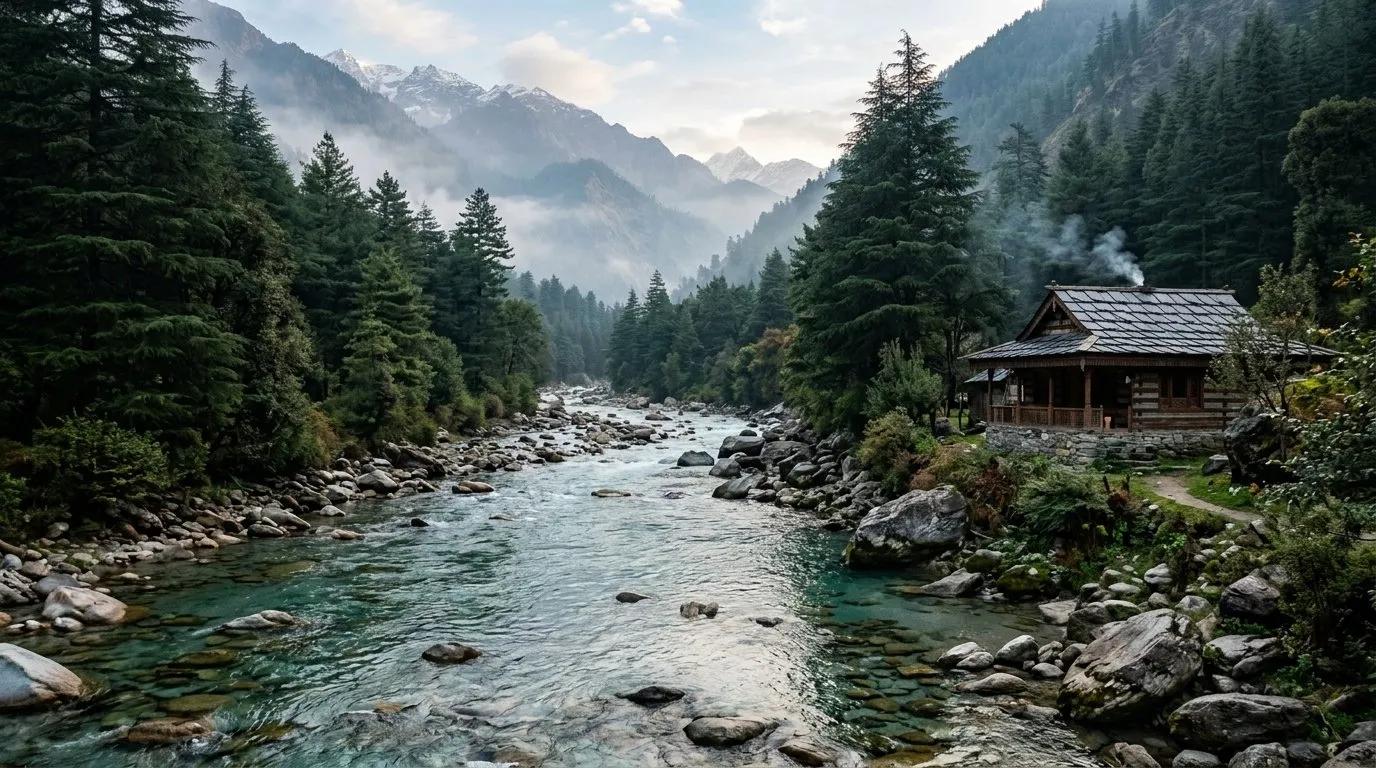
Tirthan Valley is an excellent choice for travellers who want to exchange crowded city streets for mountain scenery, forest walks and the sound of a flowing river.
Located in the Kullu region of Himachal Pradesh, the valley offers access to village stays, riverside accommodation and outdoor experiences. You can spend your mornings walking through the countryside, reading beside the river or enjoying a leisurely breakfast with mountain views.
Nature lovers can also explore suitable walking routes and arrange authorised guided experiences in the Great Himalayan National Park area.
Things to do: Nature walks, village exploration, birdwatching, reading and riverside relaxation.
Best for: Couples, solo travellers, small groups and nature enthusiasts.
Travel tip: Check the weather and trail conditions before hiking. Mobile coverage varies between villages and properties, so confirm connectivity with your accommodation.
2. Spiti Valley, Himachal Pradesh
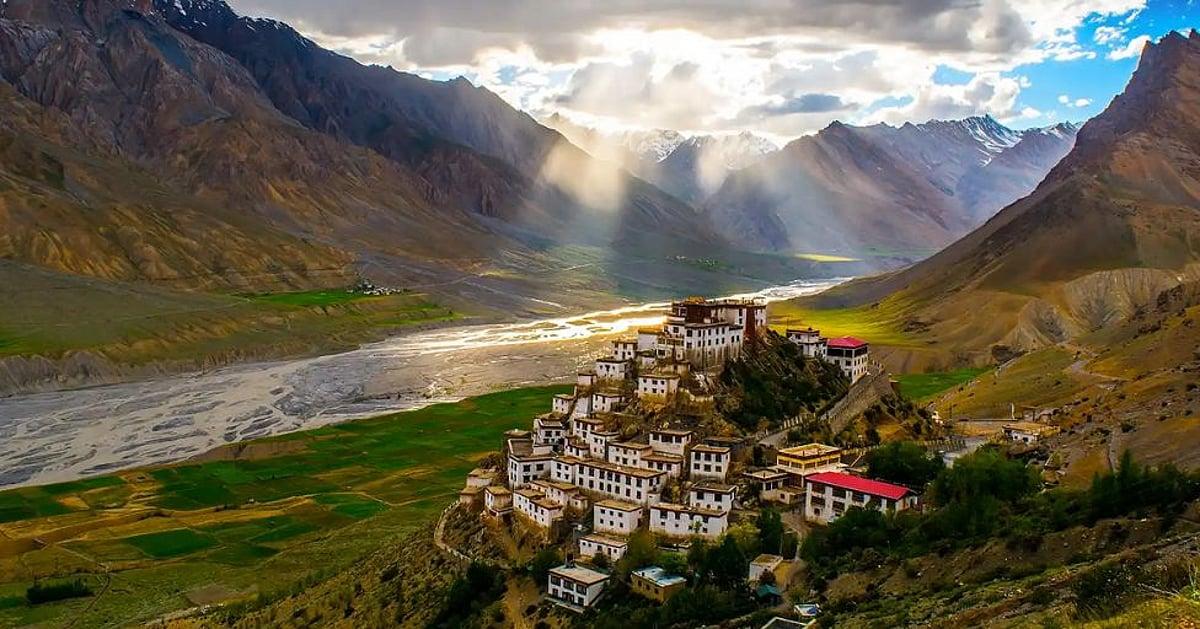
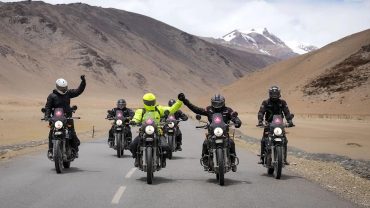
If your idea of switching off involves dramatic mountains, quiet villages and wide-open landscapes, Spiti Valley offers a distinctive Himalayan experience.
This high-altitude cold desert is known for its traditional settlements, Buddhist monasteries, rugged scenery and peaceful surroundings. Visitors can explore places such as Kaza, Langza and nearby villages, depending on the route and conditions.
Spiti is particularly suited to travellers who want to spend more time appreciating the landscape rather than following a busy sightseeing schedule. However, it requires more preparation than many conventional holidays.
Things to do: Visit monasteries, explore villages, photograph mountain landscapes and enjoy local culture.
Best for: Adventure-minded travellers, photographers and people seeking a remote mountain getaway.
Travel tip: Summer and early autumn are generally more practical for many road itineraries. Winter travel requires specialist planning, and road access, accommodation and services can be limited. Always check current conditions and allow time for acclimatisation.
3. Kalpa, Himachal Pradesh
Kalpa, in Kinnaur district, is a wonderful option for travellers who prefer peaceful mountain views and a slower pace.
The village is known for its views of the Kinnaur Kailash mountain range, traditional architecture and surrounding apple-growing landscape. Rather than filling every hour with activities, you can enjoy leisurely walks, watch the changing light on the mountains and discover local food and culture.
Kalpa can be especially appealing to couples and photographers who appreciate scenic surroundings without needing an action-packed itinerary.
Things to do: Mountain-view walks, village exploration, photography and local food experiences.
Best for: Couples, solo travellers and anyone seeking a quiet Himalayan escape.
Travel tip: Temperatures can drop considerably in winter. Check road conditions and accommodation availability before travelling, particularly during periods of snowfall.
4. Chitkul, Himachal Pradesh
Chitkul is a picturesque village in the Baspa Valley, near the Indo-Tibetan border region of Himachal Pradesh. Its mountain scenery, traditional homes and riverside setting create an appealing atmosphere for a slower holiday.
A visit here can be as simple as exploring the village on foot, enjoying the surrounding views and spending time away from a busy schedule.
Chitkul is not a place where you need to plan a long list of attractions. The appeal lies in appreciating the landscape and experiencing village life respectfully.
Things to do: Short walks, photography, local food and enjoying the mountain scenery.
Best for: Couples, photographers and travellers who enjoy quieter destinations.
Travel tip: Winter access may be affected by snow, ice or road closures. Check local travel advisories, especially if visiting outside the main travel season.
5. Ziro Valley, Arunachal Pradesh
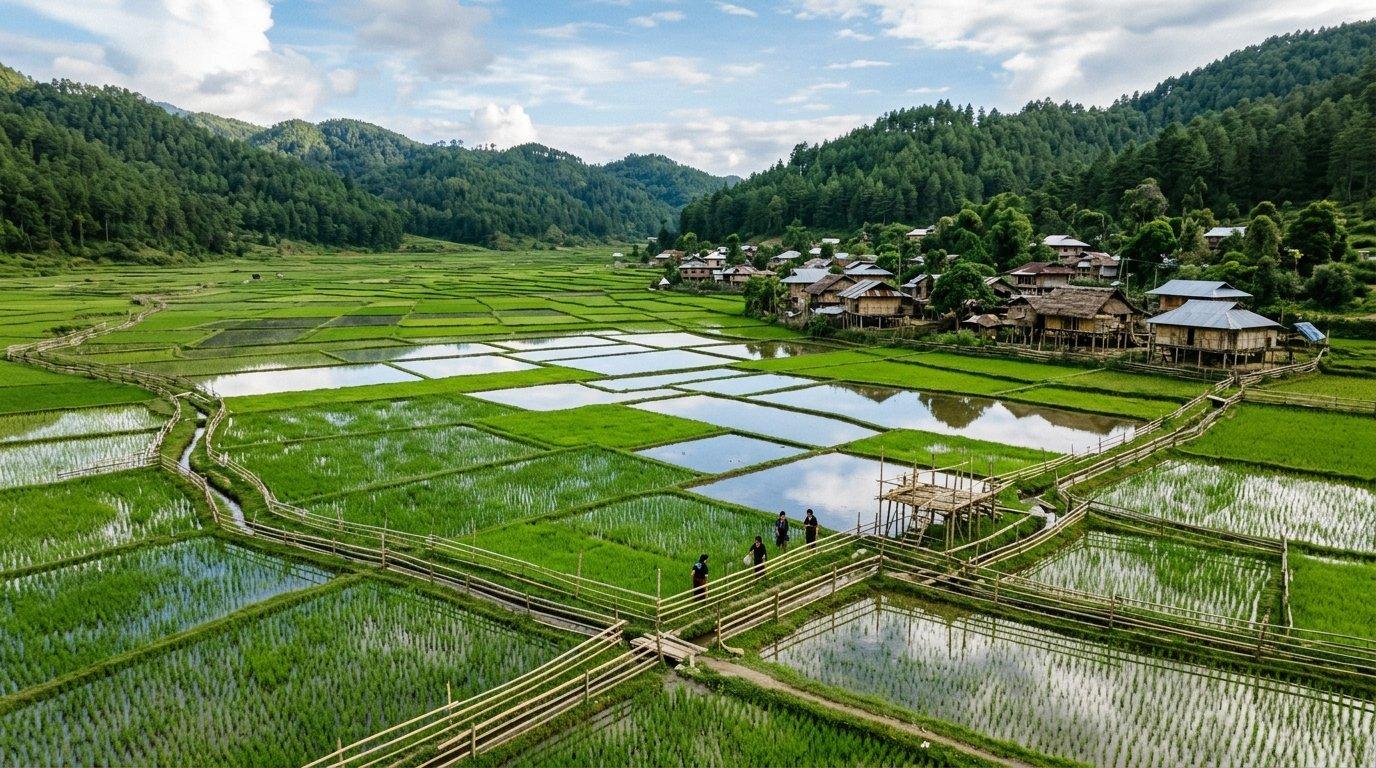
Ziro Valley offers a refreshing change for travellers interested in green landscapes, rural culture and peaceful surroundings.
Known for its rolling hills, rice fields, pine-covered slopes and Apatani cultural heritage, Ziro is an appealing destination for those who want to explore a region at a relaxed pace.
You can spend your time walking through suitable village routes, learning about local traditions, enjoying regional food and appreciating the scenery instead of constantly checking your phone.
Things to do: Village walks, cultural exploration, landscape photography and local food experiences.
Best for: Culture enthusiasts, photographers, couples and slow-travel fans.
Travel tip: Check the latest entry and permit requirements for Arunachal Pradesh before booking. Plan transport carefully, as reaching Ziro can involve lengthy road journeys.
6. Majuli Island, Assam
Majuli, on the Brahmaputra River, is known for its cultural heritage, rural landscapes and traditional satras associated with Assamese Vaishnavite traditions.
The island provides an opportunity to experience a different rhythm of travel. Visitors can learn about local crafts, explore cultural sites, cycle or walk where suitable, and enjoy the scenery of the riverine landscape.
A digital detox here can focus on cultural discovery rather than complete isolation. Meeting local people respectfully and understanding the area’s traditions can make the holiday more meaningful.
Things to do: Explore satras, discover local crafts, experience Assamese cuisine and enjoy village scenery.
Best for: Cultural travellers, families, photographers and people interested in slow travel.
Travel tip: Ferry schedules, river conditions and local transport can affect your itinerary. Confirm current services before travelling and allow extra time for transfers.
7. Chopta, Uttarakhand
Chopta is a popular mountain destination in Uttarakhand, surrounded by forests and alpine meadows. It is also known as a base for the Tungnath Temple trek, with Chandrashila often included in suitable itineraries.
A trip to Chopta can encourage you to spend more time outdoors, appreciate mountain views and enjoy evenings away from screens.
Trekking is not essential to the experience. Travellers can choose shorter walks and scenic stays depending on their fitness, interests and the season.
Things to do: Nature walks, birdwatching, mountain photography and guided trekking when conditions allow.
Best for: Adventure lovers, couples and nature enthusiasts.
Travel tip: Snow and ice can make winter treks hazardous. Check weather conditions, use qualified local guides where appropriate and avoid attempting routes beyond your ability.
8. Kabini, Karnataka
For travellers who prefer forests and wildlife to mountain landscapes, Kabini offers a very different kind of digital detox holiday.
The region is known for forest scenery, the Kabini backwaters and wildlife experiences arranged through authorised lodges and operators. You can spend time observing nature, enjoying quiet moments at your accommodation and joining permitted wildlife excursions.
Wildlife sightings are never guaranteed, and responsible visitors should follow all park rules and maintain a respectful distance from animals.
Things to do: Authorised wildlife safaris, nature observation, birdwatching and relaxing at a nature-focused stay.
Best for: Couples, wildlife enthusiasts, photographers and travellers looking for a peaceful nature escape.
Travel tip: Book activities through authorised providers and check seasonal operating conditions. Confirm the location of your accommodation and the transport needed to reach it.
9. Gokarna, Karnataka
Gokarna is an appealing alternative for travellers seeking a coastal break with a relaxed atmosphere.
Known for its beaches, coastal scenery and religious heritage, the town offers opportunities to slow down without necessarily choosing a remote destination. You can enjoy an early morning walk, read by the sea, explore local cafés or spend time discovering the town’s cultural sites.
Some areas are busier than others, so the experience depends on where you stay and when you visit.
Things to do: Beach walks, coastal exploration, local food and relaxed sightseeing.
Best for: Couples, solo travellers, friends and beach lovers.
Travel tip: Check local beach safety information, tides and weather before swimming or taking coastal walks. Do not assume that every beach is suitable for swimming.
10. Varkala, Kerala
Varkala combines coastal scenery with a laid-back holiday atmosphere. Its cliffside cafés, beaches and opportunities for yoga and wellness activities make it a good option for travellers seeking a slower break.
You can start the day with a walk, join a yoga class, explore local food or spend an afternoon enjoying the sea views. A phone-free morning or evening can be an easy way to turn an ordinary beach trip into a digital detox experience.
Varkala is more developed than a remote mountain village, so you do not need to give up comfort to spend less time online.
Things to do: Beach walks, yoga, wellness activities, local cuisine and sunset viewing from permitted viewpoints.
Best for: Couples, wellness-focused travellers, solo visitors and people looking for a relaxing coastal holiday.
Travel tip: Check sea conditions and follow lifeguard instructions. Cliff edges and swimming areas require particular care.
How to Plan a Digital Detox Holiday
Choosing the destination is only part of the process. A few simple decisions can help you make the most of your time away.
1. Decide How Much You Want to Disconnect
You do not need to switch off every device for the entire trip. Start with phone-free meals, a screen-free morning or a few hours each day without social media.
2. Choose Accommodation That Fits Your Needs
Look for nature-focused homestays, small retreats or peaceful resorts. Ask about internet access, mobile coverage, electricity, meals, transport and emergency contact arrangements before booking.
3. Plan Activities Away from Screens
Include activities such as walking, reading, photography, journaling, birdwatching, local cooking or exploring villages. Having something enjoyable to do makes it easier to leave your phone aside.
4. Prepare Before You Leave
Download tickets, maps and booking confirmations. Share your itinerary with a trusted contact, keep emergency numbers accessible and tell family members when you expect to be reachable.
5. Respect Local Communities and Nature
Follow local customs, use authorised guides where required and avoid disturbing wildlife. A digital detox should also mean being more attentive to the people and places around you.
When Is the Best Time for a Digital Detox Holiday in India?
The best time depends on your preferred destination.
- March to June: Consider suitable Himalayan destinations such as Tirthan Valley and Kalpa, while checking local weather and access conditions.
- July to September: Monsoon scenery can be beautiful, but landslides, flooding and transport disruptions are possible in mountain regions.
- October to March: Coastal destinations such as Gokarna and Varkala can be attractive for a relaxed holiday, subject to local weather conditions.
- Winter months: Spiti, Chitkul and Chopta need careful seasonal planning because snow, ice and road restrictions can affect access.
These are broad planning guidelines rather than guarantees of suitable weather. Check the latest local forecast before departure.
Plan a Peaceful Holiday with High Sky Holidays
A digital detox holiday does not have to involve a complicated retreat or an expensive wellness programme. Sometimes, a few days in a quiet valley, a relaxed coastal stay or a scenic village is enough to create space for a different travel experience.
High Sky Holidays helps travellers explore holiday options based on their preferred destination, dates, group size and budget. Whether you are interested in a peaceful Himachal getaway, a nature-focused holiday or a relaxing coastal escape, you can enquire about an itinerary that suits your travel style.
Ready to plan your next escape? Visit High Sky Holidays to explore travel options and start planning a more mindful holiday for 2027.
Frequently Asked Questions
What is a digital detox holiday?
A digital detox holiday is a trip where you intentionally reduce screen time and spend more time enjoying real-world activities, nature and personal connections.
Which are the best places for digital detox holidays in India?
Tirthan Valley, Spiti Valley, Kalpa, Chitkul, Ziro Valley, Majuli Island, Chopta, Kabini, Gokarna and Varkala are options for travellers seeking nature, cultural experiences or a slower pace.
Do digital detox destinations in India have no internet?
Not necessarily. Mobile coverage and Wi-Fi vary by location, network and property. Ask your accommodation about connectivity rather than assuming a destination is completely offline.
How many days are enough for a digital detox trip?
A two- or three-day break can provide an opportunity to reduce screen time, while five to seven days may allow more time for longer journeys and a relaxed itinerary. The ideal duration depends on the destination and your available time.
Are digital detox holidays suitable for families?
Yes. Families can choose screen-free activities such as nature walks, board games, storytelling, local food experiences and outdoor exploration. Keep emergency communication available and choose activities suitable for every family member.
What should I pack for a digital detox holiday?
Pack clothing appropriate for the season, comfortable footwear, any necessary medicines, a reusable water bottle, reading material and offline copies of travel documents. Keep a charged phone for navigation and emergencies, even if you plan to use it less often.
Final Thoughts
The best digital detox holidays in India are not necessarily the places with the weakest mobile signal. They are the places where you can make a conscious choice to slow down, pay attention to your surroundings and enjoy experiences beyond a screen.
From the river valleys of Himachal Pradesh to the cultural landscapes of Assam and the beaches of Karnataka and Kerala, India offers many ways to spend a few days differently.
For 2027, choose a destination that matches your interests, plan responsibly and give yourself permission to enjoy the journey without checking every notification.







Comment (0)