

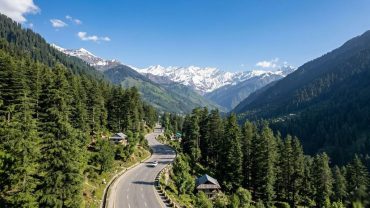
Parvati Valley is one of the most beautiful mountain destinations in Himachal Pradesh, famous for its dramatic Himalayan landscapes, the flowing Parvati River, pine forests, traditional villages and peaceful riverside surroundings. Located in Kullu district, this scenic valley attracts backpackers, couples, adventure lovers, nature enthusiasts and travellers looking for an unforgettable mountain holiday.
From the lively village of Kasol to the spiritual hot springs of Manikaran, the traditional settlement of Malana and the peaceful beauty of Tosh and Pulga, Parvati Valley offers a variety of experiences.
Whether you are planning a weekend getaway, a backpacking trip, a family holiday or an extended Himachal Pradesh tour, this Parvati Valley travel guide covers the best places to visit, adventure activities, travel routes, accommodation options and essential travel tips.


Where Is Parvati Valley Located?
Parvati Valley is situated in the Kullu district of Himachal Pradesh, in northern India. The valley follows the Parvati River from its meeting point with the Beas River near Bhuntar towards the high Himalayan region around Barshaini and beyond.
Kasol is one of the best-known villages in the valley and serves as a popular base for exploring nearby destinations such as Chalal, Manikaran, Tosh, Pulga and Kalga.
The region is particularly popular among travellers interested in mountain scenery, trekking, village stays, riverside cafes and local culture.
Quick facts about Parvati Valley
- Location: Kullu district, Himachal Pradesh, India
- Famous river: Parvati River
- Popular base: Kasol
- Nearby attractions: Manikaran, Tosh, Pulga, Kalga and Malana
- Nearest airport: Bhuntar Airport
- Nearest major rail connections: Chandigarh and other regional railheads
- Best time to visit: March to June and September to November, depending on weather and activities
Why Is Parvati Valley Famous?
Parvati Valley has become one of the most popular destinations for mountain tourism in Himachal Pradesh. Its appeal comes from its combination of natural beauty, village culture, spiritual attractions and outdoor experiences.
1. Spectacular Himalayan Scenery
The valley is surrounded by towering mountains, thick forests, waterfalls and beautiful river landscapes. The changing colours of the mountains throughout the year make it a favourite destination for photographers and nature lovers.

2. Backpacking and Riverside Cafes
Kasol is particularly famous for its backpacking atmosphere, riverside cafes, small guesthouses and scenic walking routes. Travellers from different parts of India and abroad visit the area to enjoy its relaxed mountain lifestyle.
3. Traditional Himalayan Villages
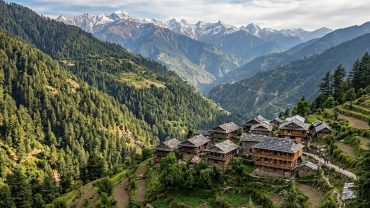
Villages such as Tosh, Pulga, Kalga and Malana offer a glimpse of traditional mountain life. Their wooden houses, narrow paths, apple orchards and mountain views make them interesting places to explore.
4. Spiritual Significance
Manikaran Sahib is one of the most important religious destinations in the valley. It is known for its Gurudwara, natural hot springs and spiritual atmosphere.

5. Trekking and Adventure
Parvati Valley is a popular starting point for trekking routes, including the famous Kheerganga trek. It also offers opportunities for nature walks, camping and exploring remote Himalayan settlements.
Top 12 Places to Visit in Parvati Valley
If you are planning a trip to Parvati Valley, make sure to explore more than just Kasol. The surrounding villages and natural attractions offer some of the most memorable experiences in Himachal Pradesh.
1. Kasol – The Heart of Parvati Valley

Kasol is one of the most famous tourist destinations in Parvati Valley. Located along the Parvati River, it is known for its beautiful landscapes, riverside cafes, guesthouses and relaxed backpacking atmosphere.
Visitors can enjoy peaceful walks beside the river, explore local markets, try different cuisines and use Kasol as a base for nearby villages and trekking routes.
Things to do in Kasol:
- Enjoy riverside walks along the Parvati River.
- Explore local cafes and restaurants.
- Visit nearby Chalal village.
- Shop for souvenirs and local handicrafts.
- Enjoy mountain photography and nature walks.
2. Manikaran Sahib – A Famous Spiritual Destination

Manikaran Sahib is a major pilgrimage destination located near Kasol. It is famous for its Gurudwara, natural hot springs and religious importance.
The hot springs are one of the most distinctive features of Manikaran. The destination attracts visitors from different religious communities and is known for its peaceful atmosphere and community kitchen.
3. Tosh Village – A Beautiful Himalayan Settlement

Tosh is a picturesque mountain village located beyond Barshaini. Surrounded by towering mountains and beautiful natural scenery, it is popular among backpackers and travellers seeking a peaceful Himalayan stay.
The village is known for its traditional houses, scenic views, small cafes and walking trails. It is an excellent destination for people who want to experience the quieter side of Parvati Valley.
4. Chalal Village – A Peaceful Riverside Escape

Chalal is a small village located within walking distance of Kasol. The walking route passes through forested surroundings and offers beautiful views of the Parvati River.
It is an ideal place for travellers looking for a quieter atmosphere, nature walks and traditional village surroundings.
5. Kheerganga – A Famous Himalayan Trek

Kheerganga is one of the best-known trekking destinations in Parvati Valley. The trail passes through forests, mountain streams, waterfalls and scenic landscapes before reaching a beautiful high-altitude meadow.
The destination is known for its natural hot spring and panoramic mountain views. The trek requires proper preparation, suitable footwear and attention to local weather and trail conditions.
6. Malana Village – A Unique Cultural Experience

Malana is a remote village in the Kullu region, known for its distinctive social customs, traditional architecture and cultural identity.
The village has its own customs and rules. Visitors should respect local traditions, avoid entering restricted areas and follow instructions from residents.
7. Pulga Village – A Quiet Mountain Retreat

Pulga is a peaceful village near Barshaini, surrounded by forests, mountain views and traditional Himalayan homes. It is popular among travellers who want to spend time away from busy tourist areas.
The village is a good choice for relaxed stays, nature walks and exploring the rural side of Himachal Pradesh.
8. Kalga Village – Scenic Views and Peaceful Stays

Kalga is another beautiful village near Barshaini. It is known for its apple orchards, wooden houses, peaceful atmosphere and views of the surrounding mountains.
Travellers often choose Kalga for village stays and as a starting point for exploring nearby trails.
9. Barshaini – Gateway to the Upper Valley

Barshaini is an important settlement at the upper end of the commonly visited Parvati Valley route. It acts as a starting point for routes towards Tosh, Kalga, Pulga and Kheerganga.
The surrounding mountain scenery and river landscape make it an interesting stop during a Parvati Valley trip.
10. Rasol Village – A Scenic Mountain Village

Rasol is a small mountain village reached by trekking from the Kasol-Chalal area. It is known for its peaceful surroundings, traditional lifestyle and beautiful views.
The walk can be physically demanding in places, so visitors should plan according to their fitness and weather conditions.
11. Grahan Village – A Traditional Himalayan Village

Grahan is a scenic village known for its traditional architecture and quiet mountain setting. The village is generally reached on foot from the Kasol area.
It is an attractive option for travellers interested in village culture, trekking and a slower mountain experience.
12. Nature and Forest Trails Around Parvati Valley

Beyond its famous villages, Parvati Valley has many forest paths, river viewpoints and mountain walking routes. Exploring these areas with a knowledgeable local guide can help visitors experience the natural beauty of the region responsibly.
Best Things to Do in Parvati Valley
Parvati Valley offers a variety of experiences for travellers, from peaceful riverside walks to challenging Himalayan treks. Here are some of the best activities to include in your trip.


1. Go Trekking in the Himalayas
Trekking is one of the biggest attractions of Parvati Valley. Popular routes include Kheerganga, Grahan, Rasol and the more challenging Pin Parvati Pass trek.
Choose your trek according to your fitness, experience and the current trail conditions.
2. Enjoy Riverside Walks
The Parvati River flows through the valley and creates beautiful natural scenery. Kasol and nearby Chalal offer opportunities for peaceful walks and photography.
Always maintain a safe distance from the river. Its current can be extremely strong, even when the water appears calm.
3. Explore Traditional Mountain Villages
Visit Tosh, Pulga, Kalga and Grahan to experience the traditional Himalayan lifestyle. These villages are known for wooden houses, mountain views, orchards and peaceful surroundings.
4. Experience Local Cafes and Food
Kasol is popular for its cafes and bakeries. Visitors can enjoy local Himachali dishes as well as a variety of Indian and international food.
5. Enjoy Camping and Nature Stays
There are accommodation options in and around Kasol, Tosh and other villages, including guesthouses, homestays and nature-oriented stays. Choose authorised accommodation and follow local environmental regulations.
6. Experience Local Culture and Spirituality
Visit Manikaran Sahib, explore traditional settlements and learn about the cultural heritage of the valley. Respect religious places and local customs during your visit.
Best Time to Visit Parvati Valley
The best time to visit Parvati Valley depends on your preferred travel experience. The valley has pleasant summers, a green monsoon landscape, clear autumn days and cold winters.


Summer: March to June
Summer is one of the most popular seasons for visiting Parvati Valley. The weather is generally pleasant, making it suitable for sightseeing, village exploration, trekking and outdoor activities.
Best for: Family holidays, backpacking, sightseeing and trekking.
Monsoon: July to September
During the monsoon, the valley becomes lush green, with waterfalls and flowing streams. However, heavy rainfall can cause landslides, road closures and dangerous river conditions.
Best for: Flexible travellers who enjoy green landscapes and can adjust their plans according to weather conditions.
Autumn: September to November
Autumn is a beautiful season for exploring Parvati Valley. The weather is often more comfortable for outdoor activities, and the surrounding forests and mountains offer excellent photography opportunities.
Best for: Trekking when trails are open, photography and peaceful village stays.
Winter: December to February
Winter brings cold temperatures and snowfall to some higher villages and mountain areas. Travellers can enjoy winter scenery, but road access and trekking conditions may become difficult.
Best for: Snow experiences, winter photography and quiet mountain holidays.
Travel advice: Weather conditions in the Himalayas can change quickly. Check local road updates and trekking permissions before travelling, particularly during the monsoon and winter seasons.
How to Reach Parvati Valley
Parvati Valley is accessible by road from major destinations in Himachal Pradesh and northern India. Bhuntar is the main gateway to the valley.

By Air
The nearest airport is Bhuntar Airport near Kullu. It is a convenient option when suitable flights are available.
From the airport, travellers can hire a taxi or arrange local transportation to Kasol and other destinations.
By Train
Parvati Valley does not have a direct railway connection. Travellers can reach Chandigarh or other suitable railway stations and continue by road.
By Road
Road travel is the most common way to reach Parvati Valley.
The usual route from Delhi is:
Delhi → Chandigarh → Mandi → Kullu → Bhuntar → Kasol → Manikaran
Travellers can use Volvo buses, ordinary buses, private taxis or self-drive vehicles, depending on their preferences.
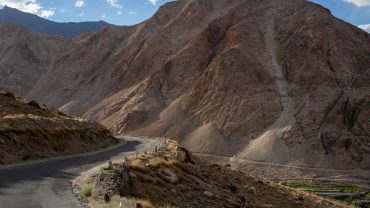
Roads beyond Kasol towards Manikaran and Barshaini are narrower mountain roads. Allow additional travel time and check local conditions before departure.
Suggested 5-Day Parvati Valley Itinerary
If you are planning a Parvati Valley holiday, this 5-day itinerary covers some of the most popular destinations without making the schedule unnecessarily rushed.

| Day | Itinerary |
|---|---|
| Day 1 | Arrive in Kasol, check in to your hotel and explore the local market and riverside area |
| Day 2 | Visit Manikaran Sahib and explore Chalal village |
| Day 3 | Travel to Barshaini and explore Tosh village |
| Day 4 | Visit Pulga and Kalga, enjoy village walks and mountain views |
| Day 5 | Return towards Bhuntar and continue your onward journey |
Optional trekking extension: If you want to include the Kheerganga trek, plan an additional day or two and adjust the itinerary according to current trail conditions and local regulations. Do not assume overnight camping is permitted; verify the latest rules before departure.
Where to Stay in Parvati Valley?
Parvati Valley offers different accommodation options for travellers with different budgets and preferences.


1. Hotels in Kasol
Kasol has hotels, guesthouses, hostels and boutique stays. It is a convenient base for exploring Manikaran, Chalal and nearby attractions.
2. Homestays in Tosh
Tosh offers traditional village accommodation, guesthouses and homestays with mountain views. It is suitable for travellers who prefer a quieter environment.
3. Homestays in Pulga and Kalga
These villages offer a more peaceful experience, with nature-oriented accommodation and opportunities to enjoy local village life.
4. Budget Hostels and Guesthouses
Budget travellers can find hostels and guesthouses around Kasol. Availability can become limited during peak travel seasons, so advance booking is recommended.
Famous Food to Try in Parvati Valley
Food is an important part of the travel experience in Parvati Valley. Travellers can enjoy traditional Himachali dishes as well as popular cafe-style meals.

Some dishes and food experiences to try include:
- Siddu: A traditional steamed Himachali bread served with ghee or chutney.
- Dham: A traditional festive meal featuring rice, lentils and regional preparations.
- Madra: A Himachali dish commonly prepared with chickpeas or other ingredients in a yoghurt-based gravy.
- Babru: A local snack made with stuffed dough.
- Local trout preparations: Available at selected restaurants in the wider Kullu region.
- Cafe food: Kasol has cafes serving Indian, Israeli-inspired and international dishes.
Important Travel Tips for Parvati Valley
Before planning your trip, keep these practical points in mind:
- Carry warm clothes because temperatures can drop, even during summer evenings.
- Check weather forecasts and road conditions before travelling.
- Avoid going near the Parvati River, especially during heavy rainfall.
- Book accommodation in advance during holidays and peak tourist seasons.
- Wear comfortable trekking shoes for village walks and mountain trails.
- Carry cash because digital payment facilities may be limited in remote villages.
- Respect local customs and follow village-specific visitor rules.
- Do not litter or damage the natural environment.
- Avoid trekking alone on unfamiliar routes.
- Follow official instructions about trekking, camping and forest access.
- Carry essential medicines and a basic first-aid kit.
- Allow extra time for mountain road journeys.
Parvati Valley vs Kasol: What Is the Difference?
Many travellers search for Kasol and Parvati Valley as if they are the same destination. However, Kasol is just one of the popular villages within the larger Parvati Valley region.
| Feature | Parvati Valley | Kasol |
|---|---|---|
| Meaning | Larger Himalayan valley | Village within the valley |
| Famous for | Mountains, villages, trekking and river landscapes | Cafes, guesthouses and backpacking |
| Attractions | Tosh, Manikaran, Pulga, Kalga, Malana and more | Chalal, local market and riverside walks |
| Travel experience | Diverse mountain exploration | Convenient base for nearby sightseeing |
| Ideal duration | 4–7 days or longer | 2–3 days |
Which should you choose? If you want to explore the complete region, plan a Parvati Valley trip. If you have limited time, Kasol is a convenient starting point for visiting nearby attractions.
Why Plan Your Parvati Valley Trip with High Sky Holiday?
A well-planned Himalayan holiday can make your journey more comfortable, especially when it involves multiple villages, mountain roads, accommodation and local sightseeing.
High Sky Holiday helps travellers plan customised Himachal Pradesh holidays, including Kasol, Manikaran, Tosh and other popular destinations.
Our travel services include:
- Customised Parvati Valley and Kasol tour packages
- Hotel, resort and homestay bookings
- Private taxi and transportation arrangements
- Local sightseeing and travel assistance
- Family, honeymoon and group holiday packages
- Himachal Pradesh and all-India tour planning
Whether you are planning a short Kasol getaway or a longer Himachal adventure, our team can help you organise your journey according to your travel preferences and budget.
Plan your Parvati Valley holiday with High Sky Holiday.
Website: https://highskyholiday.in/ Call or WhatsApp: +91 62303 20701 Email: info@highskyholiday.in
Affordable Travel, Unforgettable Experiences.
Frequently Asked Questions About Parvati Valley
1. Where is Parvati Valley located?
Parvati Valley is located in Kullu district, Himachal Pradesh, India. It follows the Parvati River and includes popular destinations such as Kasol, Manikaran, Tosh, Pulga and Kalga.
2. What is Parvati Valley famous for?
Parvati Valley is famous for its Himalayan landscapes, Parvati River, Kasol cafes, Manikaran Sahib, Kheerganga trek, traditional villages and backpacking experiences.
3. Which are the best places to visit in Parvati Valley?
Some of the best places include Kasol, Manikaran Sahib, Tosh, Chalal, Kheerganga, Malana, Pulga, Kalga, Rasol and Grahan.
4. How many days are enough for Parvati Valley?
A 3-day trip is suitable for exploring Kasol and Manikaran. A 5–7 day holiday allows more time for Tosh, Pulga, Kalga and selected trekking experiences.
5. What is the best time to visit Parvati Valley?
March to June is popular for pleasant weather and outdoor activities. September to November is also a good period for exploring the valley, subject to local weather and trail conditions.
6. Is Parvati Valley good for a family trip?
Yes. Families can explore Kasol, Manikaran Sahib and selected villages. Choose accessible accommodation and sightseeing options according to the age and mobility of family members.
7. Is the Kheerganga trek difficult?
Kheerganga is a demanding mountain walk for people who are not accustomed to trekking. It involves uphill sections and changing weather conditions. Proper footwear, fitness and checking current local trail advice are important.
8. How can I reach Parvati Valley from Delhi?
You can travel from Delhi towards Chandigarh, Mandi, Kullu and Bhuntar, then continue along the Parvati Valley road towards Kasol. Volvo buses and private taxis are common options.
9. Is Kasol part of Parvati Valley?
Yes. Kasol is one of the most popular villages located within Parvati Valley and is commonly used as a base for exploring the region.
10. Can I visit Parvati Valley in winter?
Yes, but winter travel requires additional planning. Snowfall, icy roads and weather conditions may affect access to upper villages and trekking routes.







Comment (0)