

Imagine waking up to snow-covered Himalayan mountains, visiting ancient Buddhist monasteries and exploring remote villages surrounded by dramatic cold-desert landscapes. A Spiti Valley winter trip in 2026–27 offers a different experience from the usual summer holiday, with peaceful surroundings, freezing temperatures and opportunities to witness the region’s unique winter beauty.
Located in Himachal Pradesh, Spiti Valley is known for its rugged mountains, traditional villages, high-altitude landscapes and centuries-old monasteries. Places such as Kaza, Key Monastery, Kibber, Langza and Tabo attract travellers looking for culture, photography and adventure.
However, winter travel here requires careful planning. Temperatures can fall below −20°C in some areas, accommodation choices may be limited, and snowfall can disrupt road journeys. Winter trips should therefore include experienced local drivers, flexible schedules and suitable accommodation.
In this guide, High Sky Holidays explains the best time to visit, an indicative 8-day itinerary, estimated travel costs, packing essentials and important safety tips for planning a Spiti Valley winter expedition.
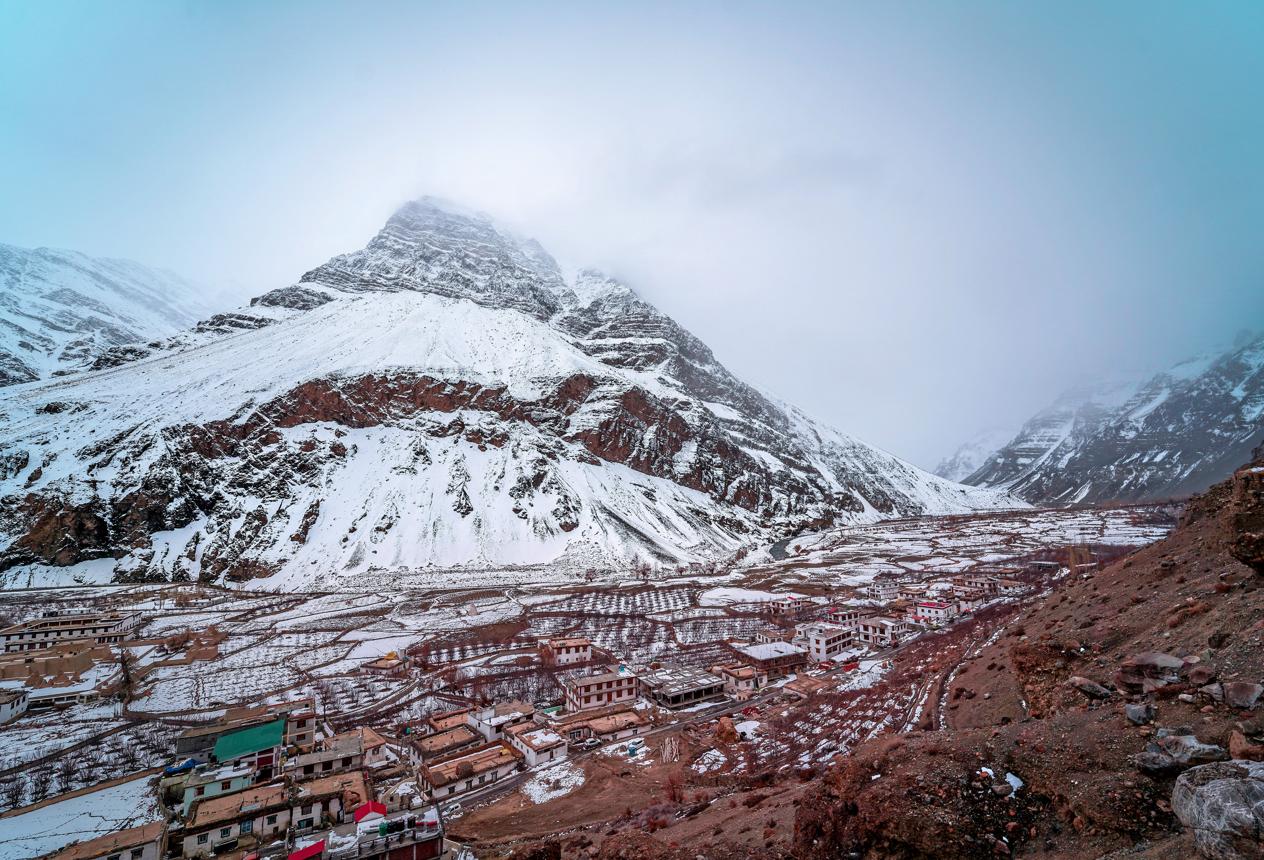
Why Visit Spiti Valley in Winter?
Winter transforms Spiti into a striking landscape of snow-dusted mountains, frozen streams and quiet Himalayan settlements.
Here are some reasons to consider a winter visit:
- Winter scenery: Experience dramatic mountain landscapes and snow-covered surroundings when conditions permit.
- Peaceful villages: Explore traditional Himalayan settlements away from the busier summer tourist season.
- Monastery visits: Discover the region’s Buddhist heritage at places such as Key and Tabo monasteries, subject to local access.
- Photography opportunities: Capture mountain scenery, village architecture, monasteries and winter landscapes.
- Adventure experience: Enjoy a challenging road expedition through one of India’s most remote high-altitude regions.
Winter Spiti is best suited to travellers who are comfortable with cold weather, basic facilities and changes to their itinerary. It is not the ideal choice for anyone expecting a conventional luxury holiday with guaranteed snowfall and uninterrupted road access.
Best Time for a Spiti Valley Winter Trip 2026–27
The winter season generally extends from November to March, although the intensity of cold and snowfall varies each year.
November: Beginning of Winter
November marks the transition into colder weather. Higher mountain passes may close because of snowfall, while some villages remain accessible from the Shimla–Kinnaur side.
This period can suit travellers looking for a quieter trip, but road conditions must be checked before departure.
December: Winter Landscapes and Festive Holidays
December brings colder days and freezing nights. Travellers may experience snow-covered landscapes, but snowfall is never guaranteed on particular dates.
Christmas and New Year departures can be popular, so confirm accommodation, transport, cancellation policies and contingency arrangements in advance.
January: Extremely Cold Conditions
January can bring severe cold, icy roads and limited services. This month is more suitable for experienced winter travellers joining a properly organised expedition.
February: Remote Winter Experience
February continues to bring freezing temperatures and unpredictable road conditions. Some travellers visit for winter photography and wildlife experiences, but excursions must depend on local guidance and accessibility.
Important: The official Incredible India destination guide notes that winter temperatures in parts of Spiti can fall to around −20°C. Check the latest forecast and local advisories before travelling.
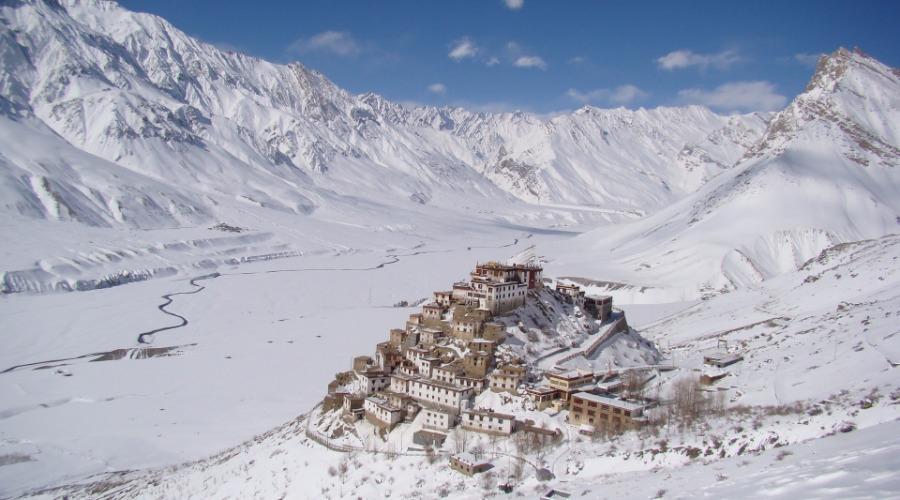
How to Reach Spiti Valley in Winter
The two main approaches to Spiti are through Shimla–Kinnaur and Manali–Kunzum Pass. Their winter accessibility differs significantly.
Route 1: Shimla to Kaza via Kinnaur
The usual winter approach is:
Shimla → Narkanda → Rampur → Reckong Peo → Kalpa → Nako → Tabo → Kaza
The route allows travellers to progress through Kinnaur before reaching Spiti. It is generally the preferred winter approach, but individual road sections can still be blocked by snow, landslides or other adverse conditions.
Route 2: Manali to Kaza via Kunzum Pass
The summer route generally follows:
Manali → Atal Tunnel/Gramphu → Batal → Kunzum Pass → Losar → Kaza
Kunzum Pass typically becomes inaccessible during winter because of heavy snowfall. Do not plan a winter road trip assuming you can enter through Shimla and exit through Manali.
The district administration publishes road-status information, which should be checked before departure and during the journey.
Spiti Valley Winter Trip Itinerary: 8 Days
This is an indicative itinerary for a winter journey approaching through Shimla and Kinnaur. Actual driving distances, travel times and sightseeing stops will depend on road conditions, weather and the operating status of local accommodation.
Day 1: Delhi to Shimla
Begin your journey from Delhi and travel towards Shimla by road or overnight bus. On arrival, check into your hotel and rest before continuing towards the higher-altitude regions.
Overnight: Shimla.
Day 2: Shimla to Kalpa
Drive through Narkanda and Rampur towards Kinnaur, enjoying views of the changing Himalayan landscape. Continue to Kalpa if the route and weather permit.
Spend the evening resting and preparing for colder conditions.
Overnight: Kalpa or another confirmed accessible stop.
Day 3: Kalpa to Nako and Tabo
Continue towards Nako and Tabo, with stops only where road conditions allow. Nako is known for its traditional village atmosphere and mountain scenery.
If access permits, explore Tabo and visit its historic monastery. Avoid rushing, as winter journeys can take considerably longer than expected.
Overnight: Tabo or another confirmed operational accommodation.
Day 4: Tabo to Dhankar and Kaza
Travel towards Dhankar and continue to Kaza if the route is open and safe. Dhankar is known for its dramatic setting and historic monastery.
Arrive in Kaza, check into your accommodation and rest. Do not add remote excursions if weather or road conditions are deteriorating.
Overnight: Kaza.
Day 5: Explore Kaza and Key Monastery
If accessible, visit Key Monastery, one of the region’s best-known Buddhist monasteries. Explore Kaza’s local market and learn about Spitian culture.
Keep sightseeing flexible. Snow, ice or local restrictions may make certain locations temporarily inaccessible.
Overnight: Kaza.
Day 6: Kibber or Nearby Village Excursion
Plan a local excursion to Kibber or another accessible village after checking with your local driver or guide.
Enjoy the mountain scenery and local architecture. Do not approach frozen rivers, steep snow-covered slopes or wildlife locations without appropriate local guidance.
Overnight: Kaza, if road conditions permit a return.
Day 7: Return Towards Kalpa or Reckong Peo
Begin the return journey through the confirmed safe route towards Kalpa or Reckong Peo. Allow additional time for road delays and weather-related changes.
This day should not be treated as a fixed sightseeing day.
Overnight: Kalpa, Reckong Peo or another confirmed stop.
Day 8: Continue to Shimla and Return to Delhi
Continue towards Shimla and connect with your onward journey to Delhi, subject to road conditions.
For winter travel, an additional buffer day is strongly recommended. An eight-day plan may need to be extended if snowfall, road closures or transport disruptions occur.
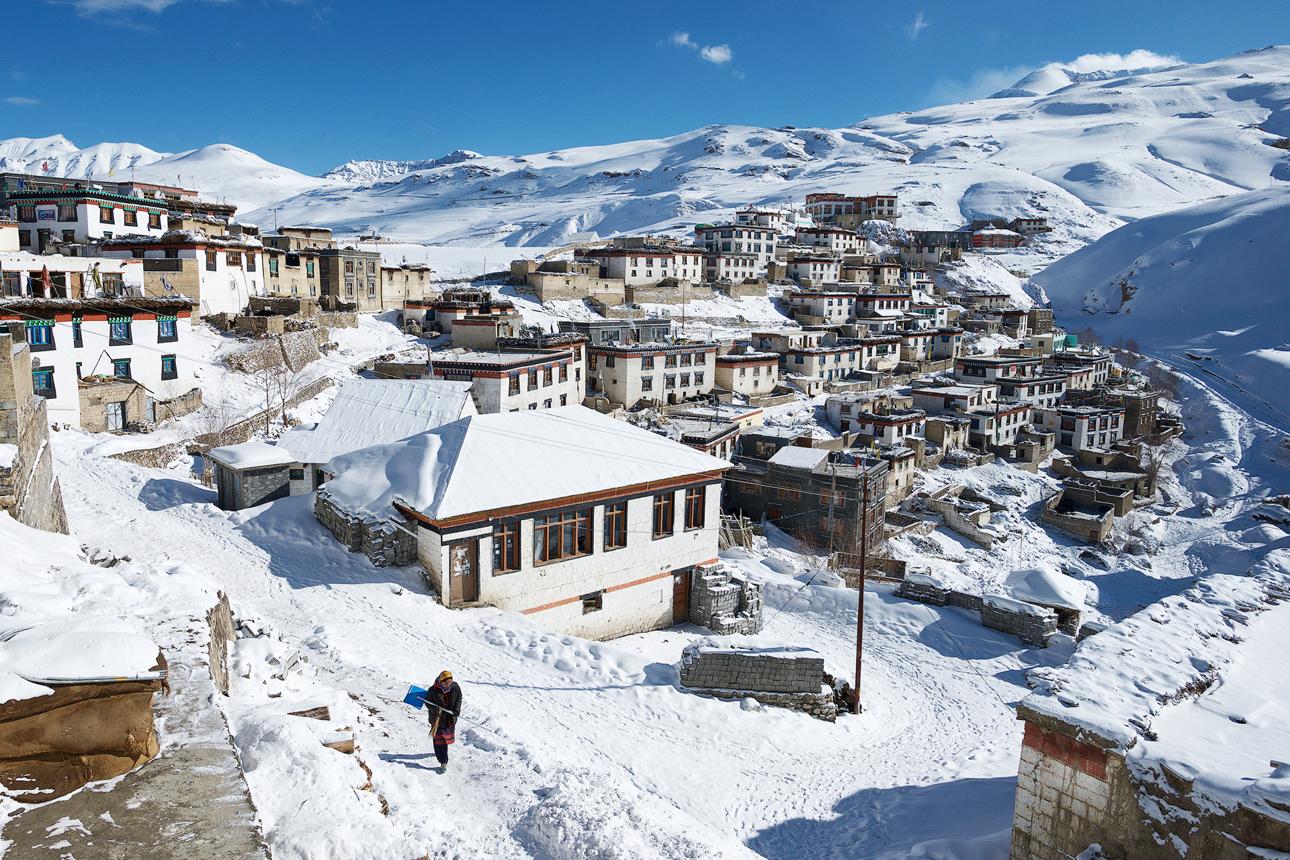
Spiti Valley Winter Trip Cost 2026–27
The total cost depends on your departure city, group size, transport arrangements, accommodation, meal plan and number of travel days.
The following figures are indicative planning estimates, not live quotations or confirmed High Sky Holidays package prices.
| Expense | Estimated cost per person |
|---|---|
| Accommodation for 7 nights | ₹7,000–₹21,000 |
| Food and hot beverages | ₹3,500–₹7,000 |
| Shared road transport | ₹8,000–₹18,000 |
| Local excursions and miscellaneous expenses | ₹2,000–₹5,000 |
| Estimated total | ₹20,500–₹51,000 |
These estimates exclude travel from your home city to the starting point, personal shopping, major emergency expenses and extra nights caused by road closures. Actual costs may be higher during peak holiday periods or when winter transport options are limited.
How to Plan a Budget-Friendly Winter Trip
- Travel with a group to share vehicle and accommodation costs.
- Confirm that your homestay or hotel will be operating during your travel dates.
- Check whether meals, transfers and sightseeing are included in your package.
- Keep additional funds for unexpected overnight stays and transport changes.
- Compare packages based on inclusions and safety arrangements, not just the advertised price.
Before paying an advance, request a written quotation showing the itinerary, accommodation, meal plan, vehicle type, inclusions, exclusions and cancellation policy.
What to Pack for a Spiti Valley Winter Expedition
Proper clothing and equipment are essential for extreme cold.
Clothing
- Thermal innerwear and warm base layers
- Insulated winter jacket suitable for severe cold
- Fleece layers and woollen sweaters
- Waterproof winter footwear with good grip
- Warm socks, gloves, woollen cap and neck covering
Travel Essentials
- Sunglasses and high-SPF sunscreen
- Lip balm and moisturiser
- Power bank and spare charging cables
- Personal medicines and basic first-aid supplies
- Reusable water bottle
- Cash for places where digital payments may not work reliably
- Identification and booking confirmations
Pack in layers so you can adjust to changing temperatures. Keep electronic devices and batteries protected from the cold.
Important Safety Tips for Winter Spiti
Winter Spiti is a high-altitude destination where weather and road conditions can change quickly. Follow these precautions.
1. Check road status before departure. Confirm accessibility with local authorities and your transport operator. Recheck conditions each day.
2. Travel with an experienced mountain driver. Winter roads can be icy, narrow and exposed. Avoid attempting unfamiliar snow-covered routes without suitable experience and equipment.
3. Allow time for acclimatisation. Avoid rushing to high elevations. Recognise symptoms of altitude sickness, including headache, nausea, dizziness and unusual fatigue. Seek medical assistance if symptoms worsen.
4. Keep a flexible itinerary. Avoid tight connections and allow a buffer day for delays.
5. Confirm winter accommodation. Heating, hot water, electricity and mobile connectivity may be limited. Ask about facilities before booking.
6. Avoid risky snow activities. Never walk onto frozen rivers or lakes, and do not enter avalanche-prone areas without qualified local guidance.
7. Prepare for limited connectivity. Inform family about your itinerary and carry essential contact details offline.
8. Check travel insurance. Review whether your policy covers high-altitude travel, winter road trips, medical evacuation and trip interruptions.
9. Follow local instructions. Turn back or change plans if authorities, local drivers or guides advise against continuing.
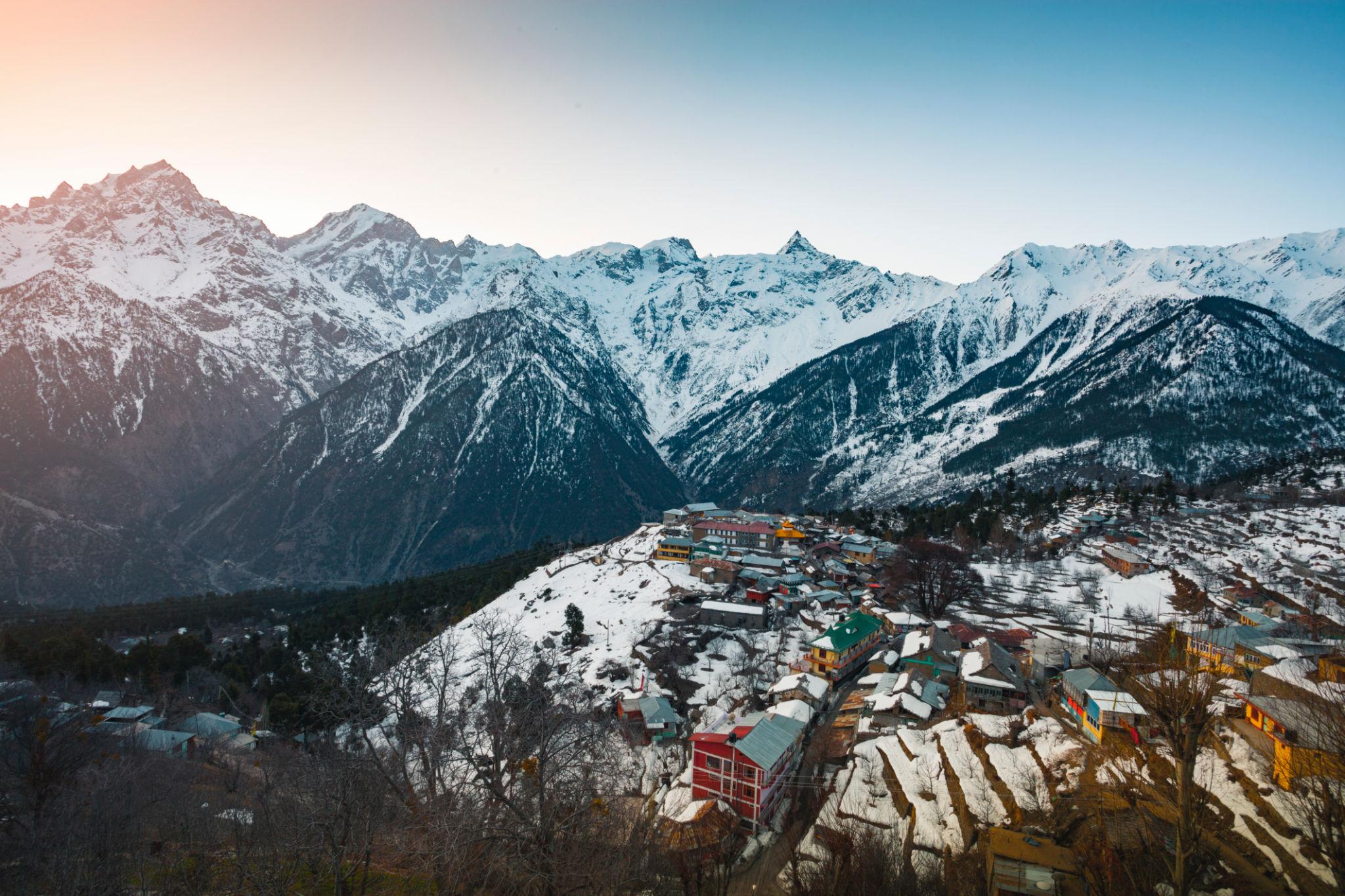
Where to Stay During a Winter Spiti Trip
Accommodation options may include hotels, guesthouses and homestays in Kaza, Tabo, Kalpa and other accessible settlements.
Winter facilities vary significantly. Before confirming a stay, ask:
- Is the property open on your travel dates?
- Is room heating available, and is it included in the price?
- Are hot water and meals available every day?
- Is the property accessible if snowfall occurs?
- What happens if roads close and the itinerary must change?
A confirmed winter-operational property is generally a better choice than an accommodation option selected only for its summer reviews.
Is Spiti Valley Suitable for Families and First-Time Travellers?
Spiti can be rewarding for families and first-time visitors, but a winter trip requires more preparation than a summer holiday.
Families travelling with children, older adults or anyone with relevant medical concerns should discuss altitude and extreme-cold exposure with a healthcare professional before booking.
For a first visit, consider a conservative itinerary with fewer remote excursions, comfortable accommodation and experienced local transport support. If you prefer milder weather and easier access to sightseeing, consider visiting during the warmer travel season instead.
Frequently Asked Questions
1. Is Spiti Valley open in winter 2026–27?
Spiti may remain accessible through the Shimla–Kinnaur side, depending on prevailing conditions. The Manali–Kunzum Pass route generally closes during winter. Check official road updates before travelling.
2. Can I see snowfall in Spiti Valley in December?
Snowfall is possible, but its timing and intensity cannot be guaranteed. Weather conditions differ from year to year and between locations.
3. What is the cost of a Spiti Valley winter trip?
An indicative budget may range from approximately ₹20,500 to ₹51,000 per person for a multi-day trip, excluding travel to the starting point. The actual price depends on transport, accommodation, meals and itinerary.
4. How many days are required for a winter Spiti trip?
Around 8–10 days or more may be useful for a trip from Delhi, depending on the route and conditions. Keep at least one flexible buffer day and be prepared for further delays.
5. Is the Manali–Kaza road open in December?
The route via Kunzum Pass generally closes during winter because of snow. Do not assume it will be open; check the latest official road status.
6. Is mobile connectivity available in Spiti?
Connectivity varies by village, network provider and local conditions. Download maps and important information in advance, and tell someone your planned route.
7. Can I book a Spiti Valley winter package with High Sky Holidays?
You can contact High Sky Holidays to enquire about winter Spiti travel arrangements, current departure options and customised itineraries. Confirm the final price, availability, inclusions and road contingency arrangements before booking.
Plan Your Spiti Valley Winter Trip with High Sky Holidays
Experience the beauty of the Himalayas with a winter travel plan tailored to your dates, group size and budget. High Sky Holidays can help you enquire about Spiti Valley travel arrangements, accommodation and transport options, subject to availability and prevailing road conditions.
Whether you are planning a photography trip, a group expedition or a customised Himalayan holiday, prioritise experienced local support, safe transport and a flexible itinerary.
Contact High Sky Holidays
- Call or WhatsApp: +91 62303 20701
- Email: info@highskyholiday.in
- Website: https://highskyholiday.in/
Request a customised quotation for your preferred travel dates and group size. Always confirm current accessibility and winter travel arrangements before making payment.








Comment (0)