

Valley of Flowers in Uttarakhand is one of India’s most beautiful natural destinations, famous for its colourful alpine meadows, rare Himalayan flowers, snow-covered mountain peaks and breathtaking trekking trails. Located in the Chamoli district of Uttarakhand, this spectacular valley is a paradise for nature lovers, photographers, adventure enthusiasts and travellers looking for an unforgettable Himalayan experience.
Recognised as a UNESCO World Heritage Site, the Valley of Flowers National Park is home to hundreds of varieties of wildflowers and rare Himalayan wildlife. During the monsoon flowering season, the valley transforms into a colourful landscape filled with blue poppies, orchids, primulas, daisies and many other beautiful flowers.
Whether you are planning a Valley of Flowers trek, a Uttarakhand holiday, a visit to Hemkund Sahib or an adventurous trip through the Garhwal Himalayas, this complete travel guide will help you plan your journey.


Where Is Valley of Flowers Located?
The Valley of Flowers is located in the Chamoli district of Uttarakhand, within the Garhwal Himalayas. It lies inside the Nanda Devi Biosphere Reserve and forms part of the UNESCO-listed Nanda Devi and Valley of Flowers National Parks.
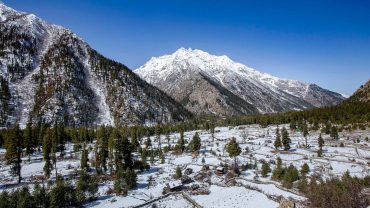
The valley is situated at an altitude of approximately 3,500–3,600 metres above sea level. Surrounded by high Himalayan peaks, glaciers, waterfalls and alpine vegetation, it is one of the most remarkable natural landscapes in India.
The nearest major trekking base is Ghangaria, which is reached from Govindghat by trekking. From Ghangaria, visitors continue on foot to explore the Valley of Flowers.
According to Uttarakhand Tourism, the national park covers approximately 87 square kilometres and is known for more than 600 species of flowers and rich Himalayan biodiversity.
Quick Travel Information
| Travel details | Information |
|---|---|
| Destination | Valley of Flowers |
| State | Uttarakhand, India |
| District | Chamoli |
| Region | Garhwal Himalayas |
| Nearest road-access point | Govindghat |
| Trek base | Ghangaria |
| Approximate altitude | 3,500–3,600 metres |
| UNESCO status | World Heritage Site |
| Famous for | Alpine flowers, trekking and Himalayan scenery |
| Best flowering season | July to September |
| Ideal trip duration | 5–7 days, depending on itinerary |
Why Is Valley of Flowers Famous?
Valley of Flowers is famous for its extraordinary natural beauty and rich Himalayan biodiversity. Unlike conventional hill stations, this destination offers a unique experience where visitors explore colourful meadows, mountain streams and rare wildflowers on foot.
Here are some of the main reasons why it attracts travellers from across the world.
1. Hundreds of Himalayan Flower Species
The valley is home to a remarkable variety of wildflowers, including orchids, poppies, primulas, daisies and anemones. During the flowering season, these plants create beautiful natural patterns across the alpine meadows.
2. UNESCO World Heritage Recognition
Valley of Flowers National Park is part of the UNESCO World Heritage property known as Nanda Devi and Valley of Flowers National Parks. Its ecological importance, unique Himalayan landscape and biodiversity make it an internationally recognised natural treasure.
UNESCO World Heritage Centre
3. Beautiful Himalayan Mountain Landscapes
The valley is surrounded by dramatic mountain peaks, glaciers, waterfalls and streams. These natural features make it one of the most photogenic trekking destinations in Uttarakhand.
4. Rare Himalayan Flora and Wildlife
The national park supports several rare and threatened species of plants and animals. Its biodiversity is one of the main reasons the region is protected.
5. A Memorable Himalayan Trek
Reaching the valley requires a mountain trek through forests, rivers, waterfalls and scenic Himalayan trails. The journey itself is a major part of the experience.

Top 8 Attractions and Places to Explore Around Valley of Flowers
The Valley of Flowers region has several beautiful natural, cultural and spiritual attractions. Most travellers combine the flower valley trek with a visit to Hemkund Sahib and nearby Himalayan destinations.
1. Valley of Flowers National Park – The Main Attraction

Valley of Flowers National Park is the main highlight of this Himalayan journey. Its spectacular meadows become colourful during the monsoon season when different varieties of wildflowers bloom across the valley.
The landscape features small streams, waterfalls, rocky mountain slopes and colourful patches of alpine vegetation.
Things to experience:
- Explore the colourful flower meadows.
- Photograph Himalayan wildflowers.
- Enjoy views of the surrounding mountain peaks.
- Walk along the designated trekking trail.
- Observe the region’s natural biodiversity.
The valley is a protected national park. Visitors must follow park rules and stay on authorised trails.
2. Hemkund Sahib – A Sacred Himalayan Pilgrimage

Hemkund Sahib is one of the most important Sikh pilgrimage destinations in Uttarakhand. Located at an altitude of approximately 4,632 metres, this sacred Gurudwara is surrounded by towering Himalayan peaks and a beautiful glacial lake.
The trek to Hemkund Sahib is steep and physically demanding. Many travellers include it in their Valley of Flowers itinerary because both destinations are accessed from Ghangaria.
Why visit Hemkund Sahib?
- Experience an important Sikh pilgrimage site.
- Enjoy spectacular Himalayan mountain views.
- See the beautiful Hemkund Lake.
- Experience the peaceful atmosphere of the Gurudwara.
Visitors should prepare for the high altitude and challenging uphill trail.
3. Ghangaria – The Base Camp for the Valley of Flowers Trek

Ghangaria, also known as Govind Dham, is a small Himalayan settlement that serves as the base for visiting Valley of Flowers and Hemkund Sahib.
Located at approximately 3,050 metres, the village is surrounded by mountains and forests. It offers accommodation, food facilities and basic services for trekkers.
Most visitors stay overnight in Ghangaria before beginning their trek to the flower valley.
4. Govindghat – The Starting Point of the Trek

Govindghat is an important road-access point for travellers visiting Valley of Flowers. It is situated near the confluence of the Alaknanda and Lakshman Ganga rivers.
The journey from Govindghat towards Ghangaria is the beginning of the main trekking experience.
Visitors can arrange local transport, trekking assistance and accommodation before continuing towards Ghangaria.
5. Pulna Village – A Scenic Himalayan Settlement

Pulna is a small mountain settlement on the trekking route towards Ghangaria. It is an important point for trekkers using the road-access section beyond Govindghat.
The village is surrounded by green mountain slopes and offers beautiful views of the surrounding landscape.
6. Bhyundar Valley – The Beautiful Natural Surroundings

Bhyundar Valley is associated with the scenic Himalayan landscape surrounding the Valley of Flowers region. Its forests, streams, mountain slopes and traditional settlements add to the beauty of the trekking journey.
The surrounding region is ideal for nature lovers and photographers.
7. Badrinath Temple – A Famous Pilgrimage Destination

Badrinath Temple is one of the most important Hindu pilgrimage sites in India and is dedicated to Lord Vishnu.
Located in the Garhwal Himalayas, the temple is a popular addition to a longer Uttarakhand trip. Travellers often combine Badrinath with Valley of Flowers, Joshimath and other destinations in the region.
8. Joshimath – Gateway to Auli and the Garhwal Himalayas

Joshimath is an important mountain town and a major stop for travellers visiting Badrinath, Auli and Valley of Flowers.
It is a useful place to stay, explore local attractions and prepare for the road journey towards Govindghat.
Best Time to Visit Valley of Flowers
The best time to visit Valley of Flowers is generally from July to September, when the monsoon brings the valley to life with colourful alpine flowers.
The park’s official operating dates and access arrangements can vary by season. Visitors should check the latest opening and closing dates before planning their trek.


Season-Wise Travel Guide
| Season | Months | What to expect |
|---|---|---|
| Early summer | June | Green landscapes and early seasonal flowers |
| Peak flowering | July–August | Colourful alpine flowers and lush meadows |
| Late flowering | September | Beautiful flowers with changing seasonal conditions |
| Late autumn | October | Cold conditions; access may be closed |
| Winter | November–May | Heavy snow and no regular visitor access |
July to August – Best for Colourful Flowers
July and August are generally among the best months to explore Valley of Flowers. The monsoon season brings fresh greenery, flowing streams and a wide variety of blooming wildflowers.
This period is especially popular among nature photographers and trekking enthusiasts.
September – Best for Mountain Views and Late Flowers
September can be a beautiful time to visit, with seasonal flowers still visible in parts of the valley. The landscape may begin changing as the monsoon season ends.
The flowering experience depends on rainfall, temperature and local conditions.
June – Early Trekking Season
June marks the beginning of the usual trekking season, subject to official park opening dates and trail conditions. Some areas may still have snow, and flowers may not yet be at their peak.
October to May – Winter and Closed-Season Conditions
The valley experiences heavy snowfall and difficult weather conditions during the winter months. The national park is not generally open for regular tourist trekking during this period.
Travel recommendation: For the most colourful flower experience, plan around July and August, but always confirm the official seasonal opening dates.
Valley of Flowers Trek: Route, Distance and Difficulty
The Valley of Flowers trek is one of the most famous Himalayan trekking experiences in Uttarakhand.
The traditional route begins at Govindghat and continues towards Ghangaria. From Ghangaria, visitors take a separate trail to enter the Valley of Flowers.

Trek Route
Govindghat → Pulna → Ghangaria → Valley of Flowers
The distance varies depending on the starting point and route used.
| Trek section | Approximate distance |
|---|---|
| Govindghat to Ghangaria | Around 13–16 km |
| Ghangaria to Valley of Flowers entrance | Around 4 km one way |
| Ghangaria to Hemkund Sahib | Around 6 km one way |
Uttarakhand Tourism describes the Govindghat–Ghangaria section as approximately 13 km, while other route descriptions vary according to the starting point and trail arrangements.
Trek Difficulty
The Valley of Flowers trek is generally considered moderate, but the route includes uphill walking, uneven terrain and high-altitude conditions.
The Hemkund Sahib trek is more demanding because of its steep ascent and higher elevation.
Important trekking information:
- Start early in the morning.
- Carry sufficient drinking water and snacks.
- Wear comfortable trekking shoes.
- Carry rain protection during the monsoon.
- Follow park entry timings and instructions.
- Return to Ghangaria within the permitted time.
- Avoid trekking during severe weather.
Overnight camping and staying inside Valley of Flowers National Park are not permitted. Ghangaria is the usual overnight base.
How to Reach Valley of Flowers, Uttarakhand
Valley of Flowers is accessible through Govindghat, which is connected by road to major towns in Uttarakhand.
After reaching Govindghat, visitors must trek to Ghangaria and then continue on foot to the valley.

1. By Road
The most common road route is:
Rishikesh → Devprayag → Srinagar → Rudraprayag → Karnaprayag → Joshimath → Govindghat
Approximate road distances:
| Route | Approximate distance |
|---|---|
| Rishikesh to Joshimath | 250–260 km |
| Joshimath to Govindghat | 20–25 km |
| Govindghat to Ghangaria | Trek of approximately 13–16 km, depending on route |
Road travel time varies considerably due to mountain roads, traffic, weather and road conditions.
2. By Air
The nearest major airport is Jolly Grant Airport in Dehradun.
After reaching Dehradun, visitors can hire a taxi or use road transport towards Joshimath and Govindghat.
3. By Train
Rishikesh is a major railway gateway for travellers visiting Valley of Flowers.
From Rishikesh, visitors can continue by road towards Govindghat through Joshimath.
4. By Helicopter
Helicopter services may operate on certain routes and seasons in the wider pilgrimage region, subject to availability and government or operator permissions. They should not be assumed to provide direct access into Valley of Flowers National Park.
Suggested 6 Days / 5 Nights Valley of Flowers Itinerary
A six-day itinerary is a useful option for exploring Valley of Flowers and Hemkund Sahib while allowing time for the road journey and trekking.

1: Rishikesh to Joshimath
- Start your journey from Rishikesh.
- Drive through Devprayag, Srinagar and Rudraprayag.
- Enjoy beautiful views of the Alaknanda River.
- Continue towards Joshimath.
- Check in to your hotel and relax.
2: Joshimath to Ghangaria via Govindghat
- Drive from Joshimath to Govindghat.
- Complete the required trekking formalities.
- Continue towards Pulna if road access and local arrangements permit.
- Begin the trek towards Ghangaria.
- Arrive at Ghangaria and check in to your accommodation.
3: Ghangaria to Valley of Flowers and Return
- Start early in the morning.
- Trek towards the Valley of Flowers.
- Explore the beautiful alpine meadows and seasonal flowers.
- Enjoy photography and mountain views.
- Return to Ghangaria within the park’s permitted timings.
- Overnight stay in Ghangaria.
4: Ghangaria to Hemkund Sahib and Return
- Start early for the Hemkund Sahib trek.
- Climb the steep mountain trail.
- Visit the Gurudwara and Hemkund Lake.
- Spend time at the sacred site.
- Return to Ghangaria.
This trek is demanding because of the altitude and steep ascent. Travellers who are not comfortable with it can use this day as a rest or local exploration day.
5: Ghangaria to Joshimath
- Have breakfast.
- Trek downhill towards Govindghat.
- Continue by road to Joshimath.
- Check in to your hotel and relax.
6: Joshimath to Rishikesh
- Start the return journey after breakfast.
- Travel through the beautiful Garhwal Himalayan region.
- Reach Rishikesh by evening, depending on road and weather conditions.
Note: This is a suggested itinerary. Actual trek timings, park access, road conditions and accommodation availability should be confirmed before travel.
Where to Stay During the Valley of Flowers Trek
Accommodation is available in several locations around the Valley of Flowers route. Ghangaria is the most convenient base for visitors exploring the valley and Hemkund Sahib.


Accommodation Options
Ghangaria: The best overnight base for the trek. Hotels, guesthouses and basic accommodation options are available during the operating season.
Joshimath: A convenient place for overnight stays before or after the trek. It offers a wider range of accommodation options.
Govindghat: Suitable for travellers who want to stay close to the trekking starting point.
It is advisable to book accommodation in advance during July and August, when visitor demand can be high.
Famous Flowers Found in Valley of Flowers
The rich floral diversity is the main attraction of this national park. Its alpine meadows support a wide range of wildflowers that bloom at different times during the season.


Some of the flowers associated with the region include:
- Blue Poppy: A striking Himalayan flower admired for its distinctive colour.
- Primula: A beautiful flowering plant found in alpine environments.
- Orchids: A diverse group of flowering plants found in the Himalayan region.
- Daisies: Colourful flowers that contribute to the beauty of the meadows.
- Anemones: Delicate flowers found in alpine habitats.
- Marigolds: Flowering plants included among the species noted in regional tourism information.
- Rhododendrons: A familiar Himalayan flowering group.
The exact flowers visible during a visit depend on the season, altitude and weather.
Famous Food to Try During Your Uttarakhand Trip
A visit to Valley of Flowers is also an opportunity to experience the traditional food of Uttarakhand.


Some popular dishes to try include:
- Kafuli: A traditional Garhwali dish prepared using leafy greens.
- Aloo Ke Gutke: A popular local potato preparation.
- Phaanu: A traditional lentil-based dish.
- Chainsoo: A traditional Garhwali preparation made with roasted black gram.
- Mandua Roti: A traditional flatbread prepared using finger millet.
- Jhangora Kheer: A popular dessert made using barnyard millet.
Food options along the trek are simpler than those in larger towns, so plan accordingly.
Essential Travel Tips for Valley of Flowers
Before planning your Valley of Flowers trip, keep these important points in mind:
- Check official opening dates: Confirm the national park’s operating season before booking.
- Carry valid identification: Keep the documents needed for registration and entry.
- Book accommodation early: Ghangaria can get busy during peak flowering season.
- Wear proper trekking shoes: The route can become slippery during monsoon.
- Carry rain protection: Rainfall is common during the flowering season.
- Prepare for high altitude: Walk at a comfortable pace and take sufficient rest.
- Carry essential medicines: Keep personal medication and a basic first-aid kit.
- Start early: Allow enough time for the trek and return before park closing.
- Do not litter: Protect the fragile Himalayan ecosystem.
- Avoid plucking flowers: The national park is a protected ecological zone.
- Keep buffer days: Weather and road disruptions can affect travel plans.
- Respect local rules: Follow park instructions and designated trekking routes.
Valley of Flowers vs Yumthang Valley: Which Is Better?
Both destinations are famous for colourful flowers and spectacular Himalayan scenery. However, their landscapes, travel experiences and trekking requirements are quite different.
| Feature | Valley of Flowers | Yumthang Valley |
|---|---|---|
| Location | Uttarakhand | Sikkim |
| Famous for | Alpine wildflowers and trekking | Rhododendrons and alpine meadows |
| Main access | Trek from Govindghat via Ghangaria | Road from Lachung |
| Travel experience | Himalayan trekking | Mountain road trip |
| Best flower season | July–September | Generally spring to early summer |
| Main attraction | Valley of Flowers National Park | Shingba Rhododendron Sanctuary |
| Ideal for | Trekking and nature lovers | Nature lovers and sightseeing travellers |
If you enjoy trekking and exploring natural landscapes on foot, Valley of Flowers is an excellent choice. If you prefer a road-based holiday with seasonal flowers and snow-covered mountain views, Yumthang Valley is worth considering.
Why Should You Visit Valley of Flowers?
Valley of Flowers is much more than a beautiful mountain destination. It is a remarkable natural landscape where colourful wildflowers, rare Himalayan plants, mountain streams and dramatic peaks come together.
Whether you are an adventure enthusiast, a wildlife lover, a photographer or someone looking for a peaceful Himalayan escape, the destination offers a unique experience.
For anyone planning a Uttarakhand holiday, the Valley of Flowers trek is one of the most rewarding ways to explore the natural beauty of the Garhwal Himalayas.
Plan Your Uttarakhand Holiday with High Sky Holiday
Planning a Himalayan holiday requires the right itinerary, transport arrangements, accommodation and local travel coordination.
High Sky Holiday helps travellers organise customised domestic and international holidays, including Uttarakhand tours, Himalayan road trips, family holidays, honeymoon packages and adventure journeys.
Whether you are planning a Valley of Flowers trek, a visit to Badrinath or a longer Uttarakhand holiday, our team can help you organise a suitable travel plan.
- Website: https://highskyholiday.in/
- Phone / WhatsApp: +91 62303 20701
- Email: info@highskyholiday.in/
High Sky Holiday – Affordable Travel, Unforgettable Experiences.
Frequently Asked Questions About Valley of Flowers
1. Where is Valley of Flowers located?
Valley of Flowers is located in the Chamoli district of Uttarakhand, India, in the Garhwal Himalayas.
2. What is the best time to visit Valley of Flowers?
July to September is generally the best period to see the colourful alpine flowers. July and August are particularly popular for flowering, although the exact bloom varies each year.
3. How many days are required for Valley of Flowers?
A 5–7 day trip is a useful option for visiting the valley, including the road journey, trek to Ghangaria and optional visit to Hemkund Sahib.
4. How difficult is the Valley of Flowers trek?
The trek is generally moderate, but it involves uphill walking, uneven terrain and high-altitude conditions. Good fitness and suitable trekking equipment are recommended.
5. What is the distance from Govindghat to Valley of Flowers?
The journey involves trekking from Govindghat to Ghangaria, approximately 13–16 km depending on the route, followed by another approximately 4 km one-way trek from Ghangaria to the valley entrance.
6. Is Valley of Flowers a UNESCO World Heritage Site?
Yes. Valley of Flowers National Park forms part of the UNESCO World Heritage property known as Nanda Devi and Valley of Flowers National Parks.
7. Can we visit Hemkund Sahib with Valley of Flowers?
Yes. Both destinations are accessed from Ghangaria. However, Hemkund Sahib involves a steep uphill trek and requires additional time and physical preparation.
8. Is camping allowed in Valley of Flowers?
No. Overnight camping and accommodation inside the national park are not permitted. Visitors generally stay in Ghangaria.
9. Is Valley of Flowers suitable for families?
It can be suitable for physically fit families with older children who are comfortable with trekking. The route is not ideal for everyone, particularly those who have difficulty walking long distances or handling high-altitude conditions.
10. Is a permit required to visit Valley of Flowers?
Visitors must follow the national park’s current entry, registration and fee requirements. Check the official Uttarakhand Tourism or forest department instructions before travelling.





Comment (0)