

Why Slow Travel is Becoming Popular in 2026: The Future of Meaningful Travel


In 2026, travelers are moving away from rushed itineraries and checklist tourism. Instead, Slow Travel is becoming one of the biggest travel trends worldwide, focusing on meaningful experiences, longer stays, and deeper connections with destinations. Travelers now prefer spending more time in fewer places, immersing themselves in local culture, and enjoying travel at a relaxed pace.
What is Slow Travel?
Slow travel is a mindful way of exploring where the focus is on quality over quantity. Rather than visiting multiple cities in a short trip, travelers choose to stay longer in one destination, experience local traditions, try authentic cuisine, and connect with local communities.
It’s about:
- Staying longer in one destination
- Traveling at a relaxed pace
- Choosing authentic local experiences
- Supporting local businesses
- Reducing environmental impact
Why is Slow Travel Trending in 2026?
1. Travelers Want Meaningful Experiences
People are now looking for authentic and emotional travel experiences rather than simply taking photos at tourist attractions. Slow travel allows travelers to truly understand a place, its culture, and its people.
2. Less Stress, More Enjoyment
Fast-paced travel can be exhausting. Constant packing, transportation, and tight schedules often lead to travel fatigue. Slow travel reduces stress and allows travelers to enjoy every moment.
3. Sustainable Tourism is Growing
As travelers become more eco-conscious, slow travel supports sustainable tourism by reducing transportation emissions and encouraging local spending.
4. Remote Work & Digital Nomad Lifestyle
With remote work becoming common, many travelers are combining work and leisure by staying longer in scenic destinations like Spiti Valley, Goa, and Andaman and Nicobar Islands.
5. Better Value for Money
Longer stays often mean better accommodation deals, lower transportation costs, and more budget-friendly experiences.
Best Slow Travel Destinations in India
1. Spiti Valley
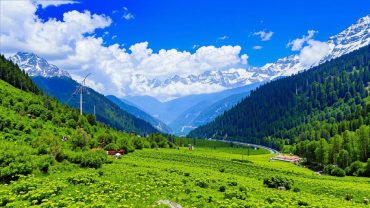
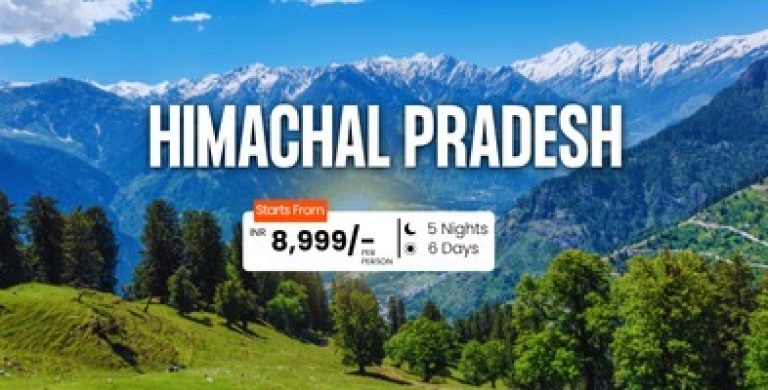
Perfect for mountain lovers seeking peace, local village stays, and scenic Himalayan landscapes.
2. Andaman and Nicobar Islands
Ideal for beach lovers who want to disconnect, enjoy scuba diving, and experience island life slowly.
3. Kerala Backwaters
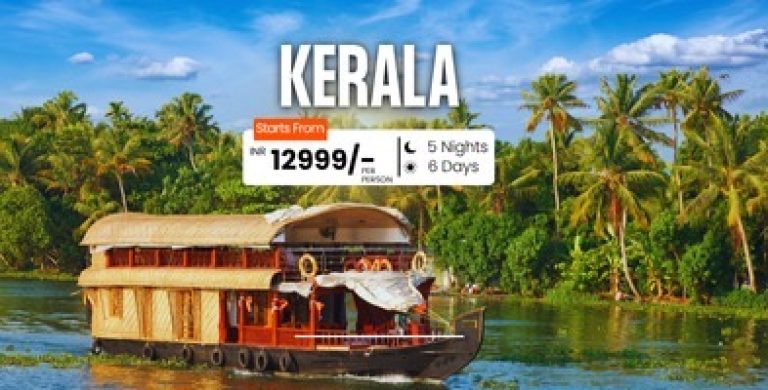
Houseboat stays, village walks, and local cuisine make Kerala perfect for slow tourism.
4. Bhutan
A peaceful destination focused on happiness, mindfulness, and sustainable tourism.
Benefits of Slow Travel
- Deeper cultural connection
- Reduced travel stress
- More memorable experiences
- Better mental well-being
- Sustainable and eco-friendly travel
- Budget-friendly for longer trips
Final Thoughts
Slow travel is not just a trend—it’s a smarter and more fulfilling way to explore the world. In 2026, travelers are choosing experiences over speed and memories over checklists. Whether it’s a peaceful stay in Spiti Valley or a relaxing island escape in Andaman and Nicobar Islands, slow travel helps you connect deeply with every journey.
In 2026, travelers are moving away from rushed itineraries and checklist tourism. Instead, Slow Travel is becoming one of the biggest travel trends worldwide, focusing on meaningful experiences, longer stays, and deeper connections with destinations. Travelers now prefer spending more time in fewer places, immersing themselves in local culture, and enjoying travel at a relaxed pace.
What is Slow Travel?
Slow travel is a mindful way of exploring where the focus is on quality over quantity. Rather than visiting multiple cities in a short trip, travelers choose to stay longer in one destination, experience local traditions, try authentic cuisine, and connect with local communities.
It’s about:
- Staying longer in one destination
- Traveling at a relaxed pace
- Choosing authentic local experiences
- Supporting local businesses
- Reducing environmental impact
Why is Slow Travel Trending in 2026?
1. Travelers Want Meaningful Experiences
People are now looking for authentic and emotional travel experiences rather than simply taking photos at tourist attractions. Slow travel allows travelers to truly understand a place, its culture, and its people.
2. Less Stress, More Enjoyment
Fast-paced travel can be exhausting. Constant packing, transportation, and tight schedules often lead to travel fatigue. Slow travel reduces stress and allows travelers to enjoy every moment.
3. Sustainable Tourism is Growing
As travelers become more eco-conscious, slow travel supports sustainable tourism by reducing transportation emissions and encouraging local spending.
4. Remote Work & Digital Nomad Lifestyle
With remote work becoming common, many travelers are combining work and leisure by staying longer in scenic destinations like Spiti Valley, Goa, and Andaman and Nicobar Islands.
5. Better Value for Money
Longer stays often mean better accommodation deals, lower transportation costs, and more budget-friendly experiences.
Best Slow Travel Destinations in India
1. Spiti Valley
Perfect for mountain lovers seeking peace, local village stays, and scenic Himalayan landscapes.
2. Andaman and Nicobar Islands
Ideal for beach lovers who want to disconnect, enjoy scuba diving, and experience island life slowly.
3. Kerala Backwaters
Houseboat stays, village walks, and local cuisine make Kerala perfect for slow tourism.
4. Bhutan
A peaceful destination focused on happiness, mindfulness, and sustainable tourism.
Benefits of Slow Travel
- Deeper cultural connection
- Reduced travel stress
- More memorable experiences
- Better mental well-being
- Sustainable and eco-friendly travel
- Budget-friendly for longer trips
Final Thoughts
Slow travel is not just a trend—it’s a smarter and more fulfilling way to explore the world. In 2026, travelers are choosing experiences over speed and memories over checklists. Whether it’s a peaceful stay in Spiti Valley or a relaxing island escape in Andaman and Nicobar Islands, slow travel helps you connect deeply with every journey.







Comment (0)